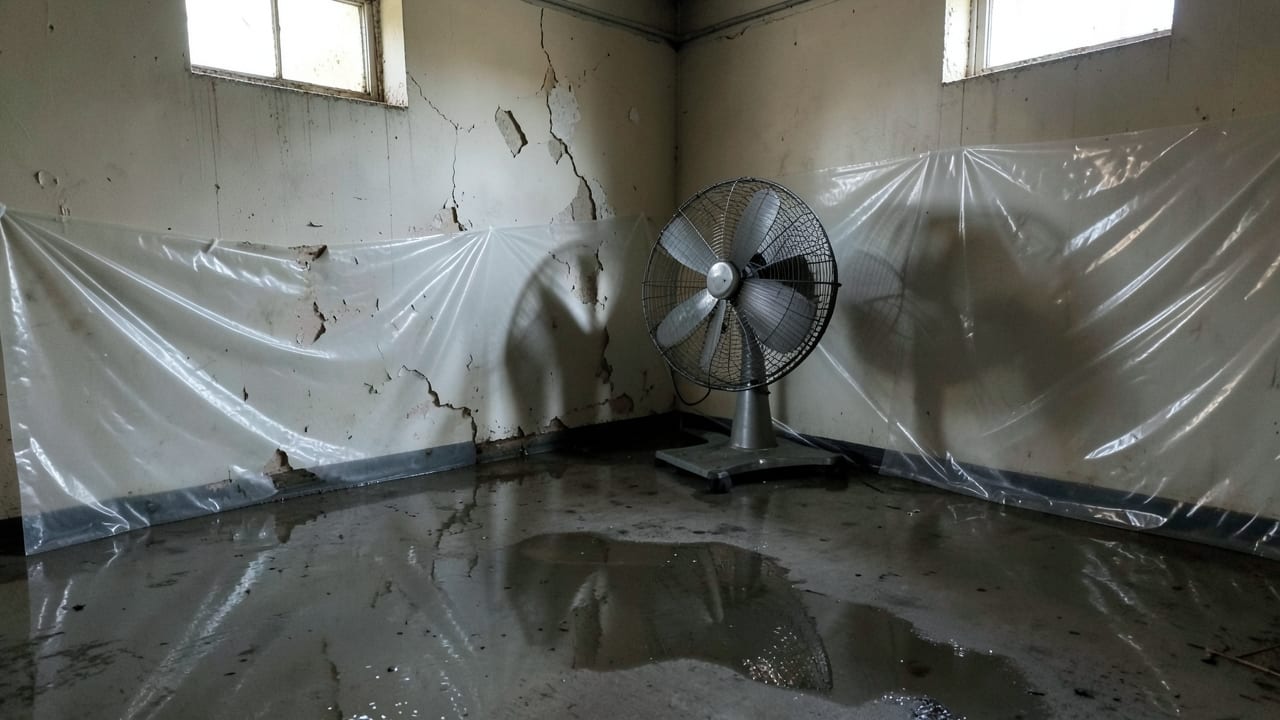
Storm Damage Mold Cleanup
Professional cleanup and remediation of mold caused by storm-related water damage in homes.
After a storm in Belleair Shores, hidden moisture can trigger mold growth inside walls, under flooring, or in ductwork. This service identifies and removes active colonies while sealing off the work area to prevent spores from spreading.
Proper containment, HEPA filtration, and structural drying help ensure the finish lasts longer—though regrowth depends on fixing the original moisture source, not just the visible mold.
We also handle Mold Inspection and Mold Testing & Air Quality Testing for Belleair Shores properties.
When to call for storm damage mold cleanup
Mold from storm damage often hides behind surfaces, so visible signs aren’t the only warning. A musty smell that lingers or worsens when the HVAC runs, mold reappearing after cleaning, or growth covering more than a small patch (about 25 square feet) are clear signals it’s time for professional remediation.
These signs suggest the problem is deeper than surface cleaning can handle.
Rooms that stay damp—like windowless bathrooms, basements, or closets—are high-risk areas. If mold keeps returning in the same spot, it usually means the moisture source (like a leak or poor airflow) wasn’t addressed. A professional inspection helps pinpoint hidden growth before it spreads further.
Signs You Need Professional Mold Cleanup After a Storm
- Mold covers more than a small, isolated patch (typically over 25 square feet).
- The musty smell gets stronger when the HVAC system turns on, suggesting ductwork contamination.
- Growth keeps coming back in the same spot after cleaning, indicating an unfixed moisture source.
- You notice visible mold in multiple rooms or hidden areas (inside walls, under flooring, or behind fixtures).
What affects cost and timeline?
The size of the affected area, the type of mold, and whether hidden growth is found during removal all influence pricing. Black mold cases or extensive hidden damage typically cost more than surface-level cleanup.
Containment, clearance testing, and fixing the moisture source add time and expense but help prevent future regrowth.
Florida law requires mold assessors and remediators to be separate entities for the same property within 12 months. This means the company identifying the problem cannot also be the one removing it, ensuring an unbiased assessment before work begins.
Avoiding common mistakes after remediation
Skipping containment or using non-HEPA equipment during cleanup can spread spores to unaffected areas, turning a small job into a larger one. Similarly, fixing only the visible mold without addressing leaks, poor ventilation, or grading issues ensures the problem will return.
Post-remediation clearance testing confirms spore levels are back to normal—but it’s only effective if the moisture source is truly resolved.
Even after remediation, rooms prone to dampness (like basements or windowless bathrooms) benefit from ongoing airflow or a small dehumidifier. Without it, stagnant air can let mold regrow in the same spot within months.
Beware of bids that exclude containment, clearance testing, or a written scope of work. Pressure to sign during the inspection visit or requests for full payment upfront are also warning signs. Always confirm the company is licensed for Florida mold remediation and separates assessment from removal.
How storm damage mold cleanup works
This process focuses on containment, removal, and drying to minimize spore spread and prevent regrowth.
- 1Containment Setup
Plastic sheeting and negative-air machines seal off the work area before any material is disturbed. This keeps spores generated during removal from drifting into hallways, HVAC systems, or other rooms.
- 2Mold Removal
Porous materials like drywall or insulation that absorb mold are cut out and bagged inside containment. Non-porous surfaces (framing, tile) are scrubbed and treated instead of discarded, since mold grows into porous materials rather than sitting on top.
- 3HEPA Filtration and Drying
HEPA air scrubbers run continuously during the job, and surfaces are vacuumed with HEPA-filtered equipment to capture spores. Industrial dehumidifiers and air movers dry framing and subfloors to normal moisture levels before the space is closed up.
- 4Clearance Testing
An independent lab conducts air or surface sampling after removal to confirm spore counts are back to normal levels. This step ensures the work area is truly clear before containment is removed.
- 5Moisture Source Fix
The final step addresses the original leak, condensation, or grading issue that caused the mold. Without fixing this, the same materials remain exposed to moisture, leading to regrowth.
Frequently asked questions
How do I know if the mold is from storm damage and not just humidity?
Storm damage mold often appears in areas where water intruded—like ceilings near roof leaks, walls near windows, or basements after flooding. If the growth is isolated to these spots and you’ve ruled out other moisture sources (like plumbing leaks), it’s likely storm-related. A professional inspection can confirm the cause.
Will my insurance cover storm damage mold cleanup?
Many homeowners’ policies cover mold remediation if it’s directly tied to storm damage, but coverage varies. Document the damage with photos, check your policy details, and file a claim promptly. Some insurers require a licensed assessor’s report before approving cleanup costs.
How long does the cleanup process take?
The timeline depends on the size of the affected area and whether hidden mold is found. Containment, removal, and drying can take anywhere from a few days to over a week. Clearance testing adds another 24–48 hours. The work isn’t considered complete until spore levels are confirmed normal.
Can I stay in my home during the cleanup?
Yes, but you may need to avoid the work area. The crew will seal off the space to prevent spore spread, and HEPA filtration keeps air quality safe in other parts of the home. If the mold is severe or in high-traffic areas, temporary relocation may be recommended for health reasons.
See Madeira Beach, FL for more, or find out about the full mold remediation lineup we run in Belleair Shores step by step for our complete lineup.
Ready to get started?
Talk to a local mold remediation pro in Belleair Shores — get a written quote.
Other Mold Remediation Services in Belleair Shores
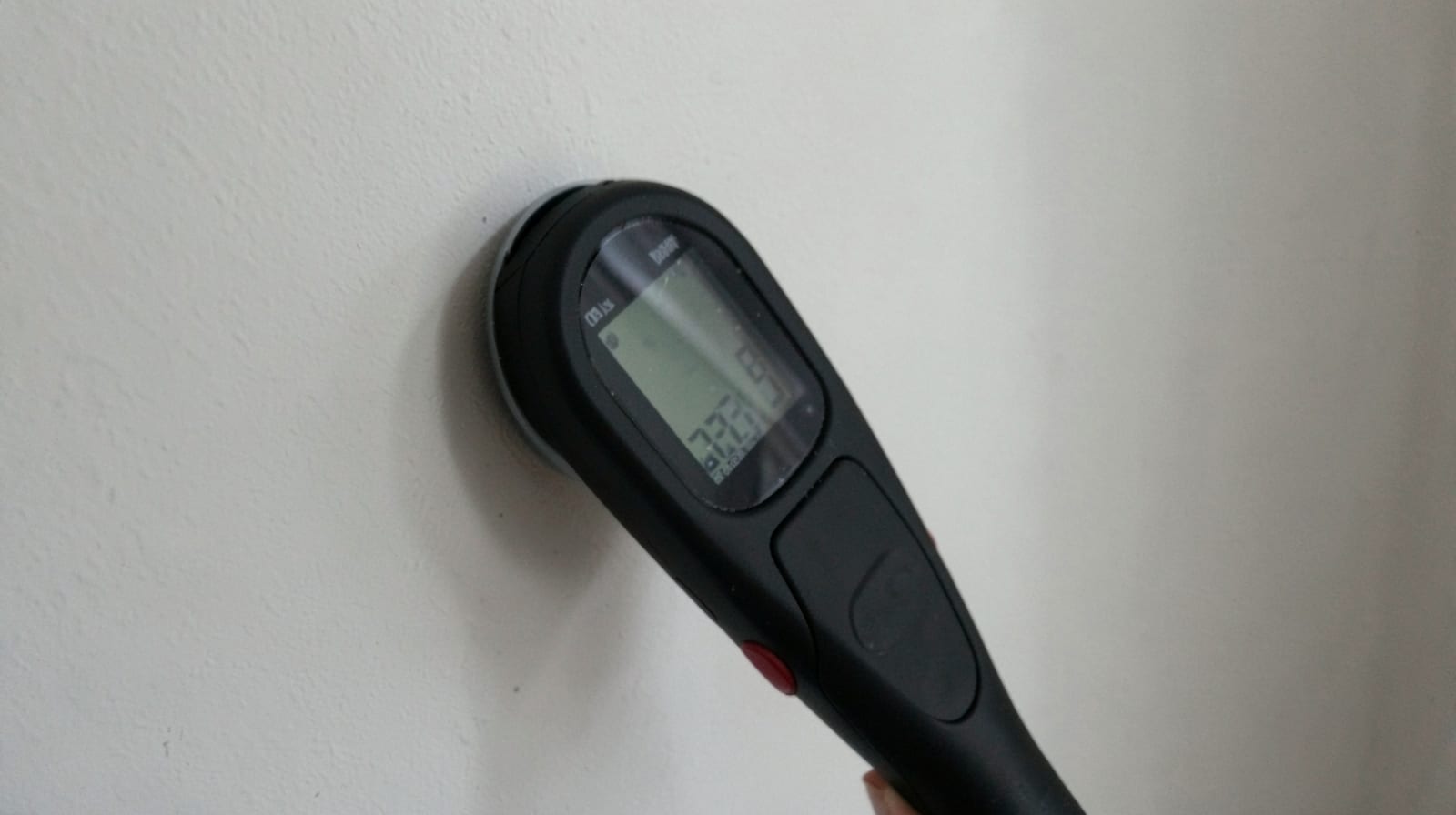
Mold Inspection in Belleair Shores, FL
Mold inspection in Belleair Shores, FL — a visual and moisture-meter assessment that finds the source of growth, not just the visible spot on the wall.
Learn More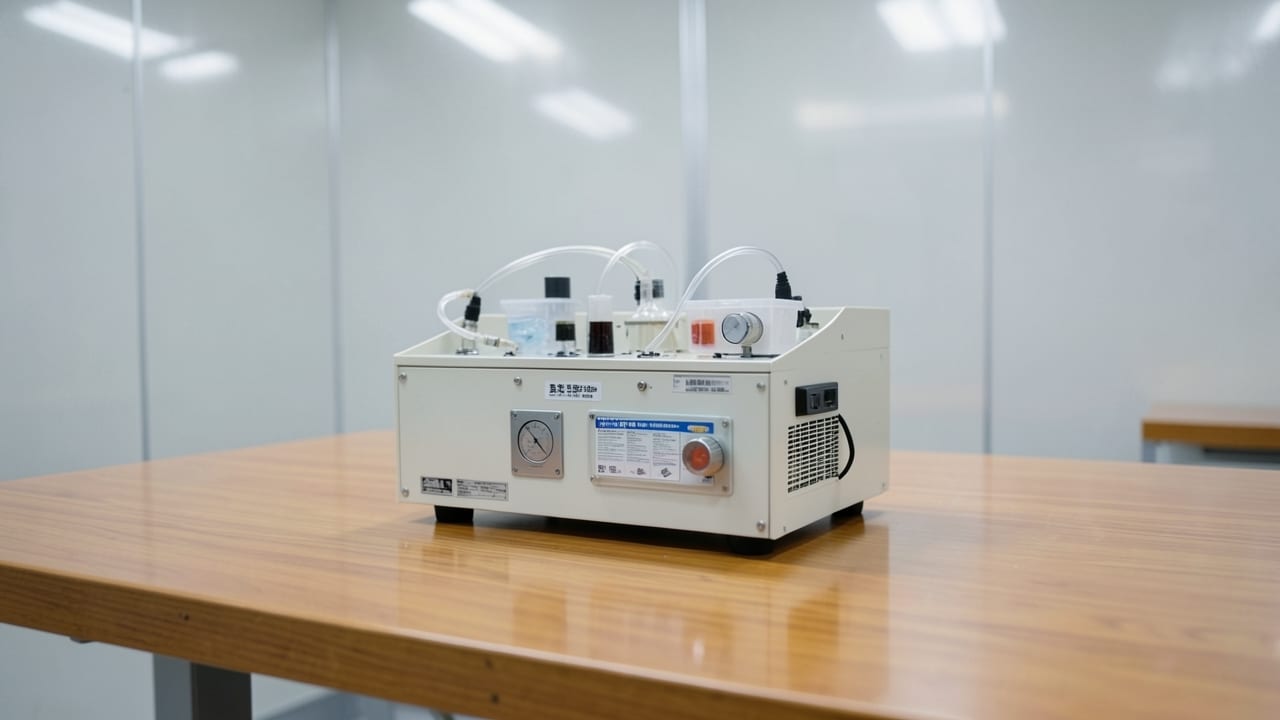
Mold Testing & Air Quality Testing in Belleair Shores, FL
Mold and indoor air quality testing in Belleair Shores, FL — lab-analyzed air and surface samples confirm what's actually growing and whether it's airborne.
Learn More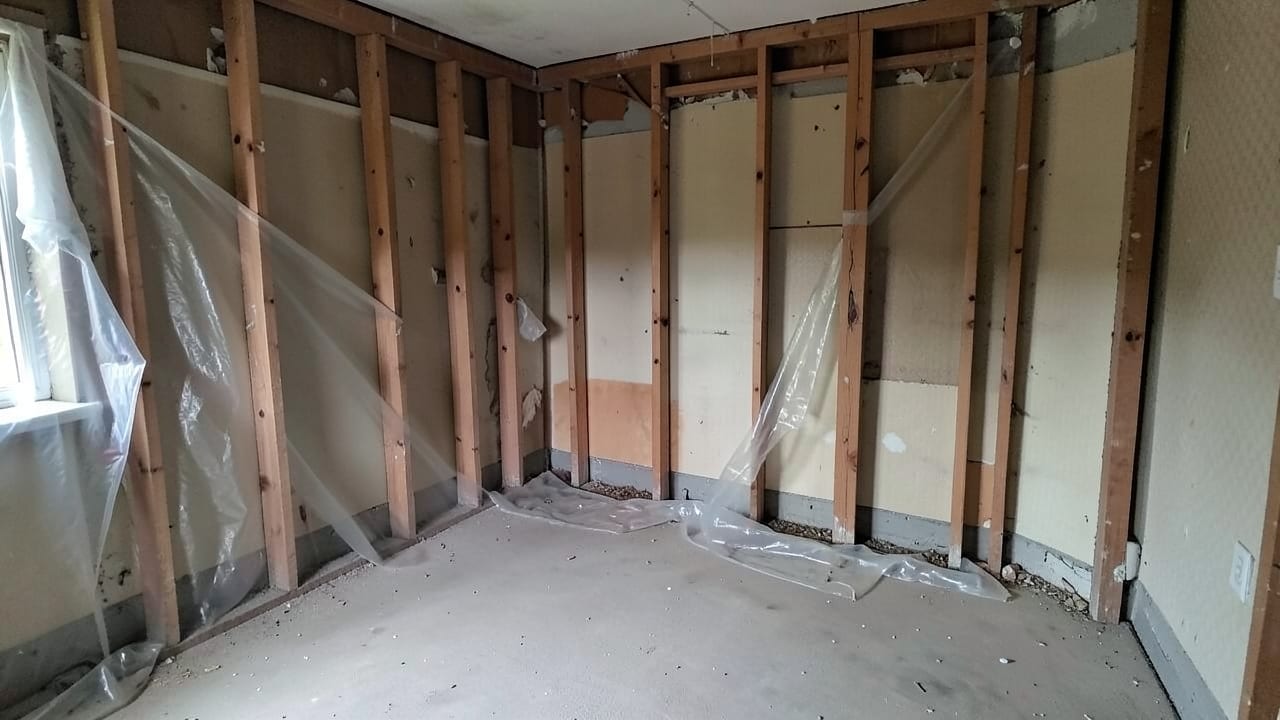
Mold Removal & Remediation in Belleair Shores, FL
Mold removal and remediation in Belleair Shores, FL — containment, HEPA filtration, and removal of affected material following industry (IICRC S520) protocol.
Learn More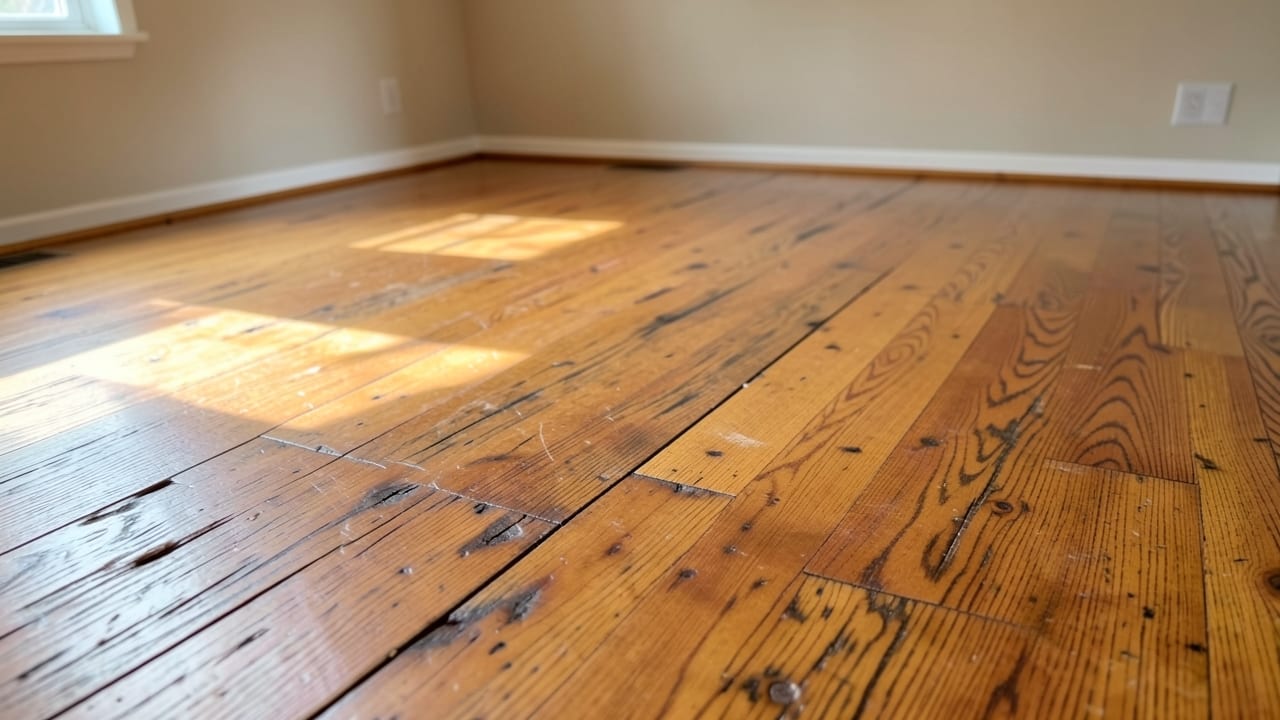
Water Damage Restoration in Belleair Shores, FL
Water damage restoration in Belleair Shores, FL — extraction and structural drying to stop mold growth before it starts, following a leak, storm, or flood.
Learn More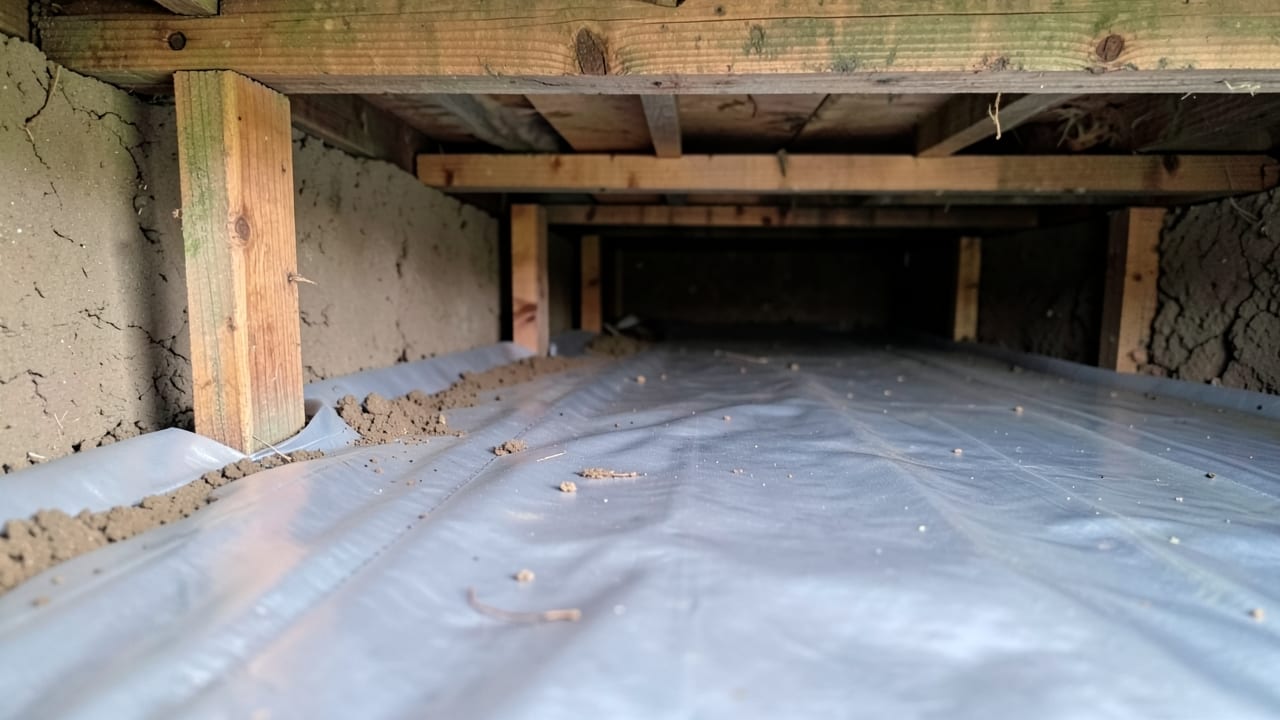
Crawl Space & Basement Mold Remediation in Belleair Shores, FL
Crawl space and basement mold remediation in Belleair Shores, FL addresses the two areas of a property most prone to trapped, unnoticed moisture.
Learn More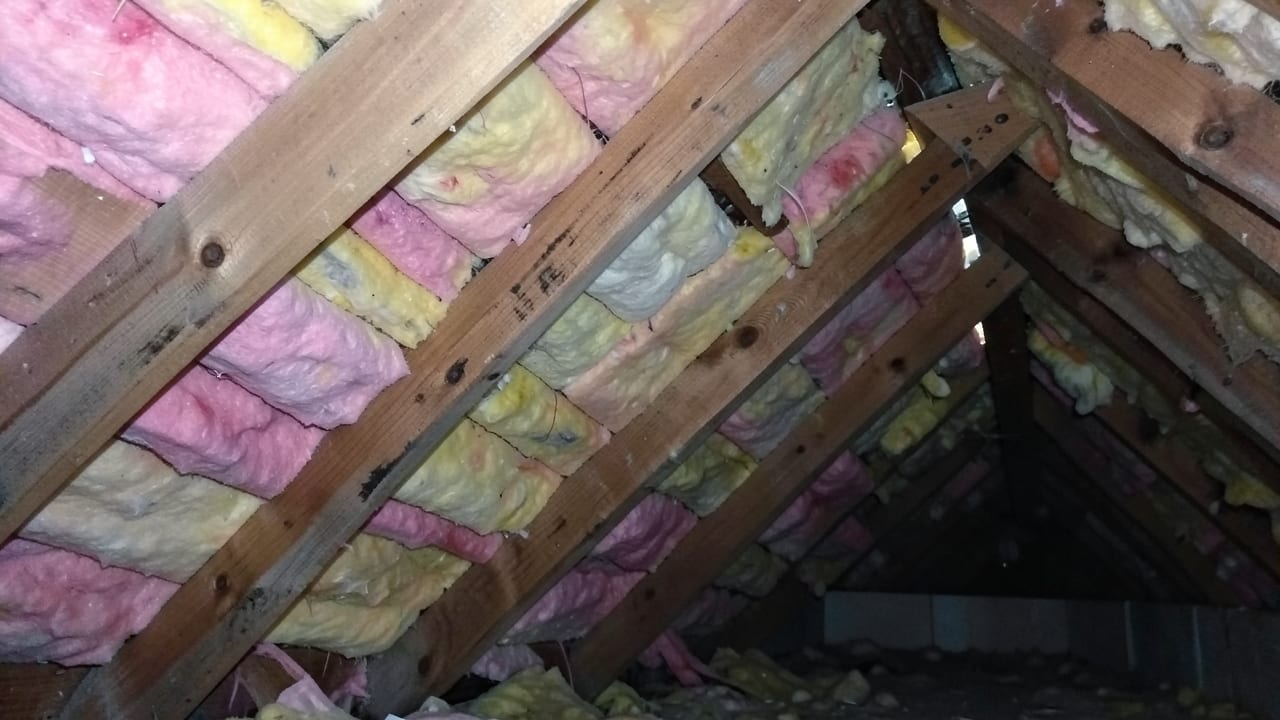
Attic Mold Remediation in Belleair Shores, FL
Attic mold remediation in Belleair Shores, FL addresses roof-deck growth typically caused by poor ventilation or a hidden roof leak.
Learn MoreCommon Questions About Mold Remediation in Belleair Shores
Everything you need to know about mold remediation services in Belleair Shores
How much does Storm Damage Mold Cleanup typically cost in Belleair Shores, FL?
Why does Belleair Shores, FL's humidity make mold a bigger risk than in drier regions?
What's the actual difference between mold removal and mold remediation?
Is a final clearance test part of a typical mold remediation job?
How does mold remediation actually prevent the problem from coming back?
Can mold growing inside HVAC ductwork spread to the rest of a home?
Need Mold Remediation in Belleair Shores?
Connect with local providers in Belleair Shores for a detailed quote.
⏰ We answer your call • Serving all of Belleair Shores and surrounding areas