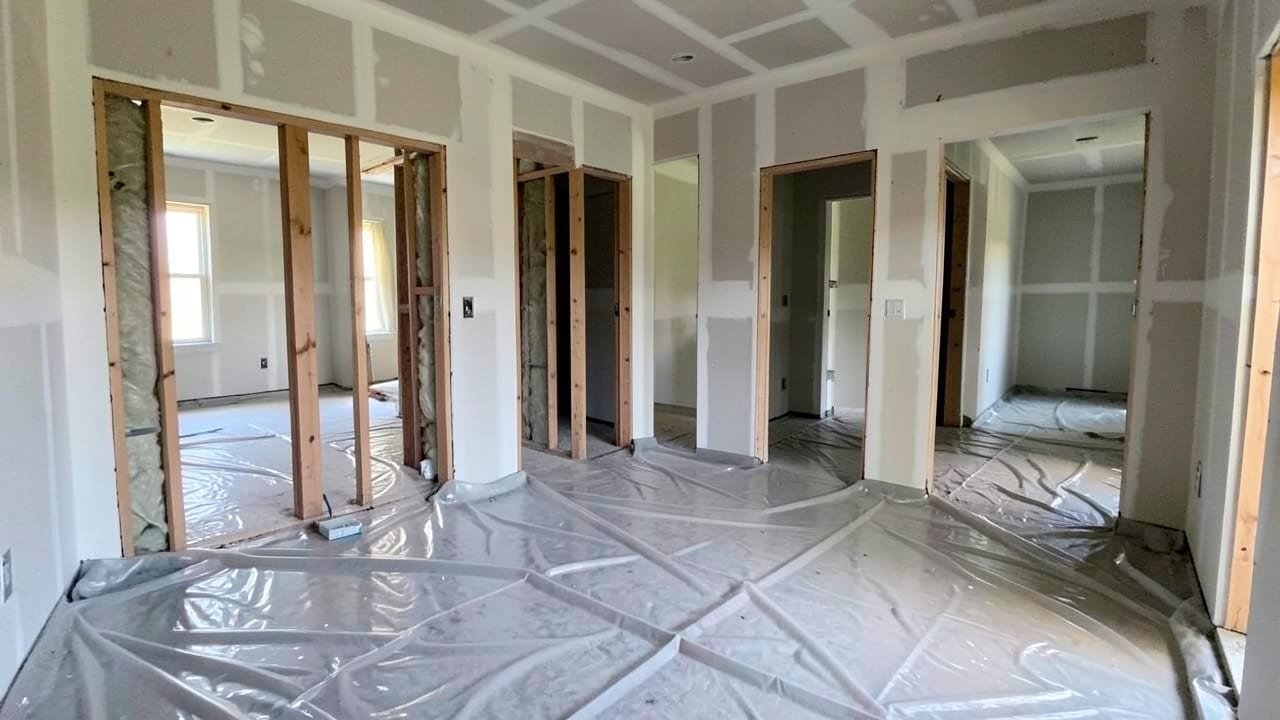
New Construction Mold Remediation
Professional mold removal and prevention in newly built homes to ensure safe, clean living spaces.
New construction mold remediation in Belleair Shores, FL addresses mold growth in recently built homes caused by trapped moisture during building. This service includes identifying, containing, and removing mold to restore air quality and prevent structural damage, using industry-standard protocols to minimize disruption and recurrence.
When new construction mold remediation is needed
Mold in new construction often signals trapped moisture from leaks, poor ventilation, or construction delays. Visible signs include discoloration on walls, ceilings, or floors, musty odors, or recurring growth after cleaning attempts.
We also handle Pipe Leak Mold Removal and Vinyl Flooring Mold Treatment for Belleair Shores properties.
If mold covers more than a small patch or keeps returning, professional remediation is typically required to address hidden moisture sources and prevent further damage.
Hidden mold in walls, under flooring, or within HVAC systems can spread spores throughout the home if not properly contained. A musty smell that worsens when the HVAC runs or mold that reappears quickly after cleaning often indicates a deeper moisture issue that needs professional evaluation and treatment.
Signs Professional Remediation Is Needed
- Mold covers more than 25 contiguous square feet (a common threshold for professional work in Florida).
- Growth returns within weeks after cleaning, suggesting an unaddressed moisture source.
- Musty odors persist even when no visible mold is present, often indicating hidden growth.
- Mold appears in multiple rooms or on non-porous surfaces like tile or framing, signaling widespread contamination.
How remediation protects your home
Proper containment prevents spores from spreading to unaffected areas during removal. Plastic sheeting and negative-air machines seal the work zone, while HEPA-filtered air scrubbers continuously capture airborne spores. This step is critical to avoid turning a contained job into a larger contamination issue.
After removal, industrial drying ensures framing and subfloors return to normal moisture levels. Without this step, mold can regrow on damp materials even after visible traces are gone. Clearance testing by an independent lab confirms spore counts are back to normal before the area is reopened.
What affects pricing and timeline
Pricing for new construction mold remediation depends on the size of the affected area, the extent of containment required, and whether hidden moisture sources need to be addressed.
Complex jobs—such as those involving structural drying or HVAC system treatment—may take longer and cost more due to additional labor and equipment needs.
Clearance testing and post-remediation monitoring are often priced separately. A full scope should include inspection, removal, drying, and independent testing to ensure the job is completed thoroughly. Always request an itemized quote to compare bids accurately.
| Factor | Typical Impact on Cost/Timeline |
|---|---|
| Size of affected area | Larger areas require more containment, labor, and equipment, increasing both time and cost. |
| Hidden moisture sources | Addressing leaks or poor ventilation adds drying time and may increase material replacement costs. |
| Containment complexity | Multi-room jobs or HVAC-involved work need extended sealing, raising labor costs. |
| Clearance testing | Independent lab testing is often billed separately and adds 1–3 days to the timeline. |
How new construction mold remediation works
This process follows strict containment and removal protocols to safely eliminate mold and prevent recurrence.
- 1Containment Setup
Plastic sheeting and negative-air machines seal the work area to prevent spores from spreading during removal. All doors and vents are blocked, and HEPA air scrubbers run continuously to capture airborne spores.
- 2Mold Removal
Porous materials like drywall and insulation are cut out and bagged, while non-porous surfaces are scrubbed and treated. HEPA vacuums are used to avoid recirculating spores into the air.
- 3Structural Drying
Industrial dehumidifiers and air movers reduce moisture in framing and subfloors to safe levels. This step is critical to prevent regrowth on damp materials.
- 4Clearance Testing
An independent lab conducts air or surface sampling to confirm spore counts are within normal ranges before containment is removed.
Frequently asked questions
Why does mold keep coming back after I clean it myself?
Recurring mold often means the moisture source—like a leak, condensation, or poor ventilation—wasn’t fixed. Professional remediation addresses both the mold and the underlying cause to help prevent regrowth.
Do I need to leave the house during the remediation process?
It’s recommended to vacate the home during active removal to avoid inhaling spores, even with containment in place. The crew will provide guidance on when it’s safe to return.
How long does the entire process take from start to finish?
Timelines vary by project size and complexity, but most new construction remediations take 3–7 days, including containment, removal, drying, and clearance testing.
Can I use a regular vacuum instead of HEPA equipment during cleanup?
Standard vacuums don’t capture mold spores—they can recirculate them into the air. HEPA-filtered equipment is required to safely remove spores during remediation.
See Treasure Island, FL for more, or check out everything Belleair Shores homeowners can book with us step by step for our complete lineup.
Ready to get started?
Talk to a local mold remediation pro in Belleair Shores — get a written quote.
Other Mold Remediation Services in Belleair Shores
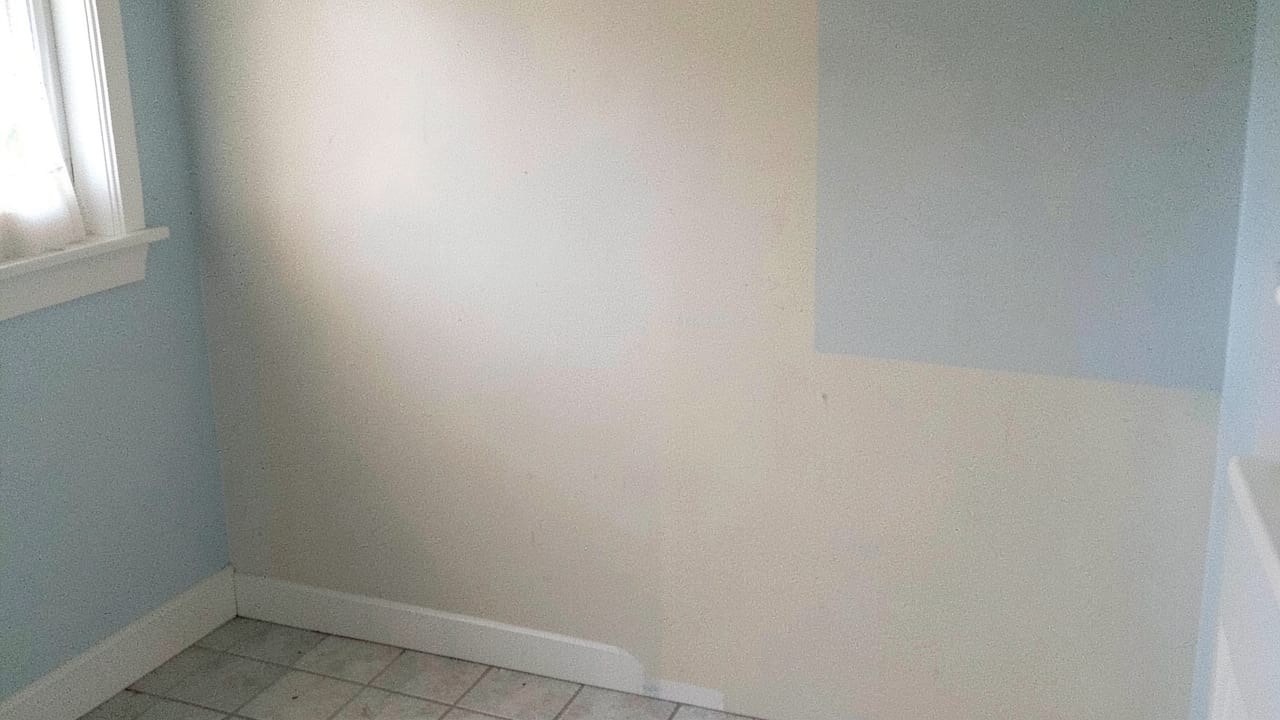
Pipe Leak Mold Removal in Belleair Shores, FL
Professional removal of mold caused by pipe leaks in homes.
Learn More
Vinyl Flooring Mold Treatment in Belleair Shores, FL
Professional mold treatment and removal for vinyl flooring in homes.
Learn More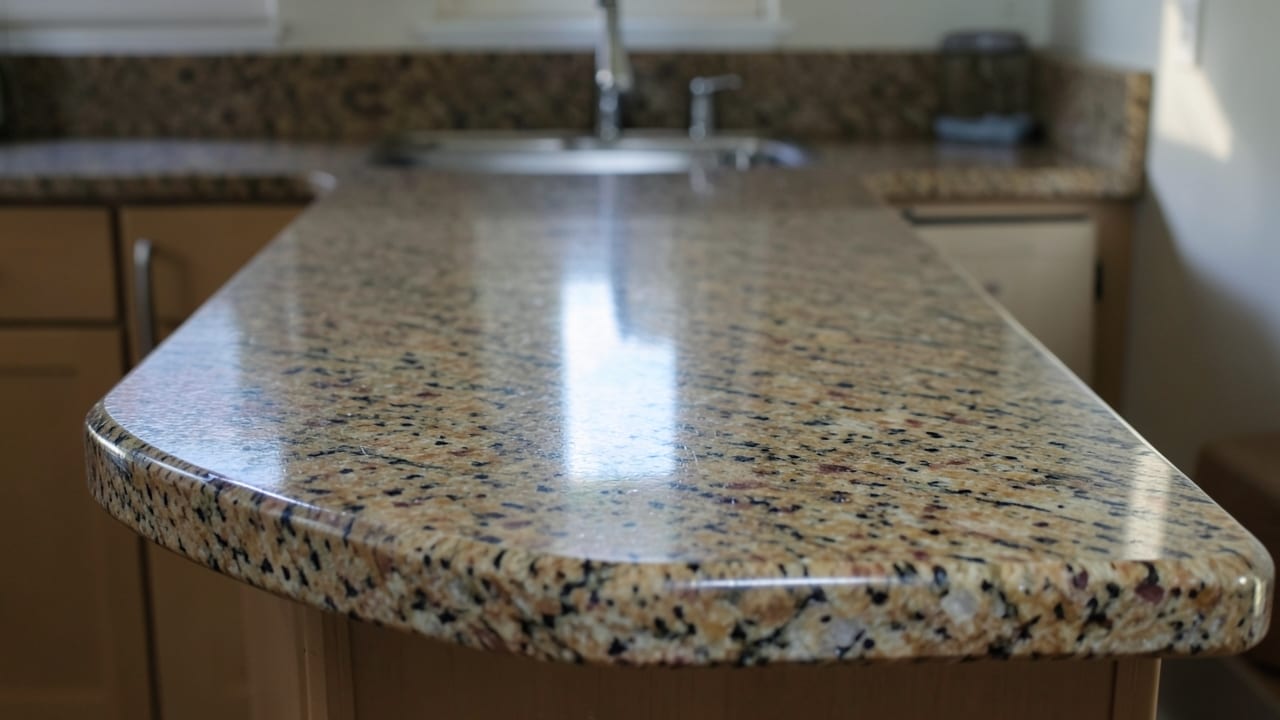
Stone Countertop Mold Removal in Belleair Shores, FL
Professional removal of mold from stone countertops using specialized cleaning and treatment methods.
Learn More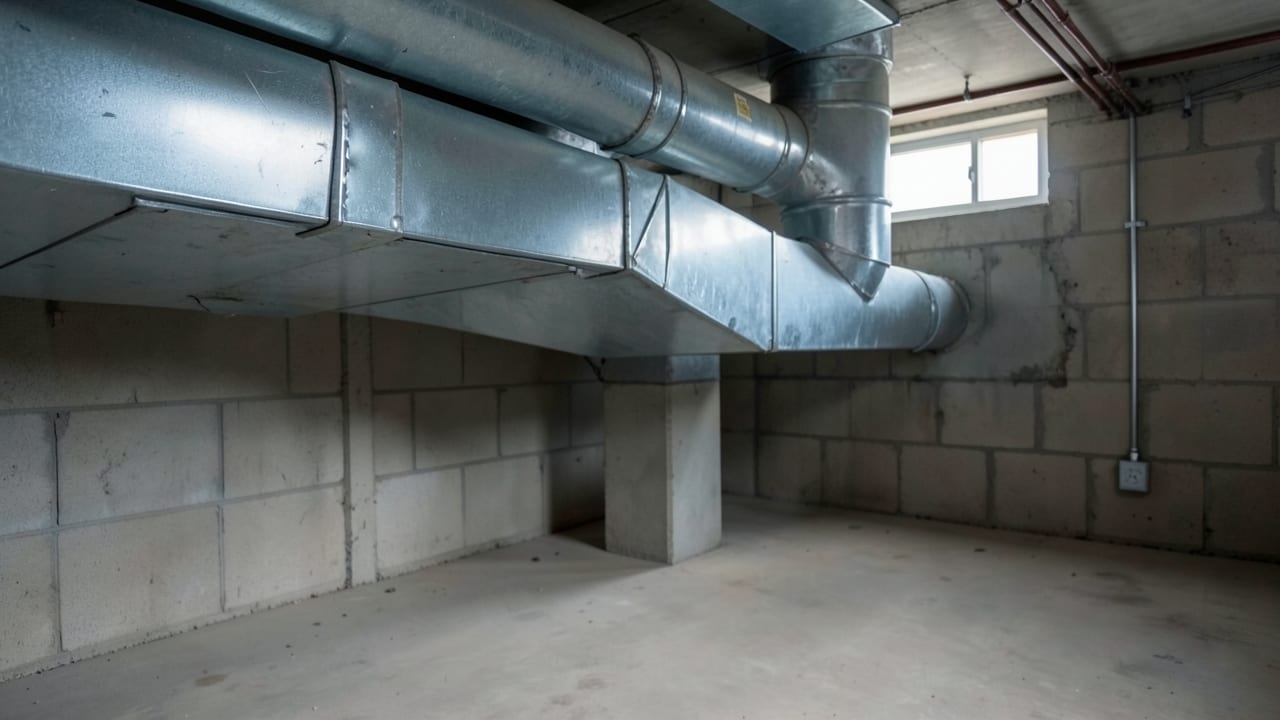
Metal Ductwork Mold Remediation in Belleair Shores, FL
Professional removal of mold from metal ductwork to restore indoor air quality.
Learn More
Glass Window Mold Removal in Belleair Shores, FL
Professional removal of mold from glass windows and frames to restore clarity and prevent spread.
Learn More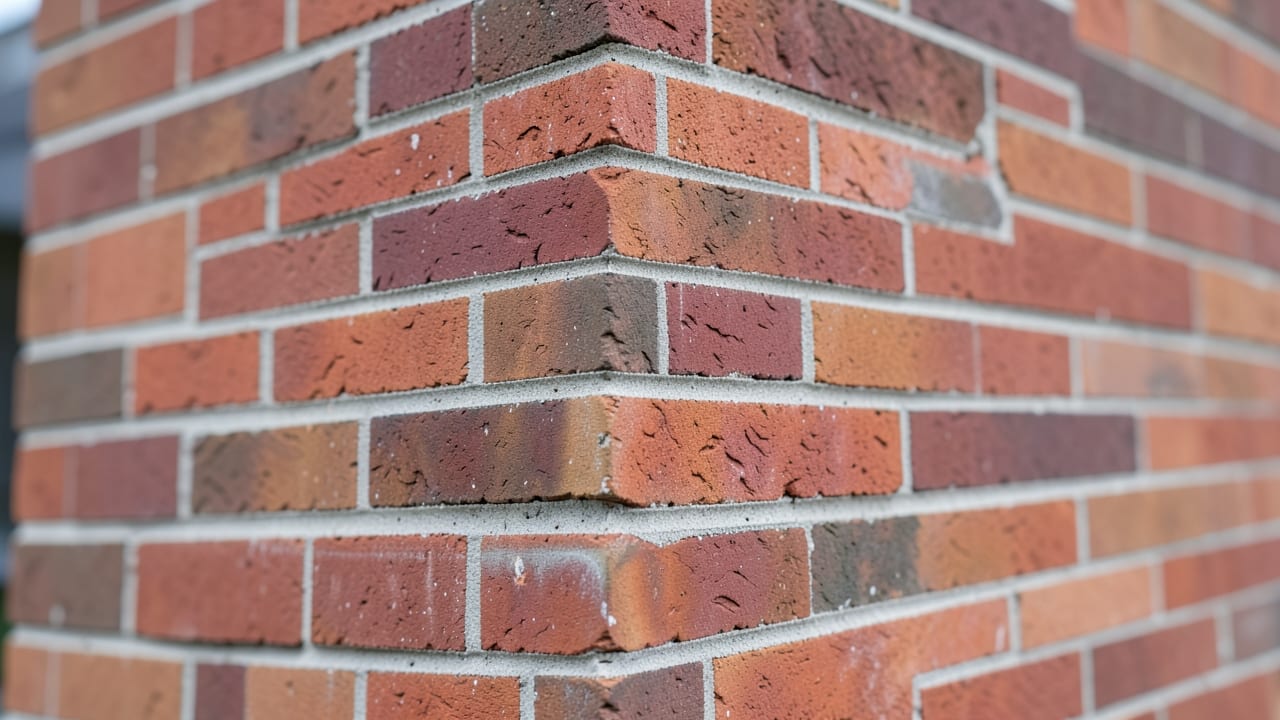
Brick Masonry Mold Treatment in Belleair Shores, FL
Professional mold treatment and removal from brick masonry to restore structural integrity and indoor air quality.
Learn MoreCommon Questions About Mold Remediation in Belleair Shores
Everything you need to know about mold remediation services in Belleair Shores
How much does New Construction Mold Remediation typically cost in Belleair Shores, FL?
Why does Belleair Shores, FL's humidity make mold a bigger risk than in drier regions?
Is it safe to stay in the home during mold remediation?
Can small mold problems be handled without hiring anyone?
What's the actual difference between mold removal and mold remediation?
Is a final clearance test part of a typical mold remediation job?
Need Mold Remediation in Belleair Shores?
Connect with local providers in Belleair Shores for a detailed quote.
⏰ We answer your call • Serving all of Belleair Shores and surrounding areas