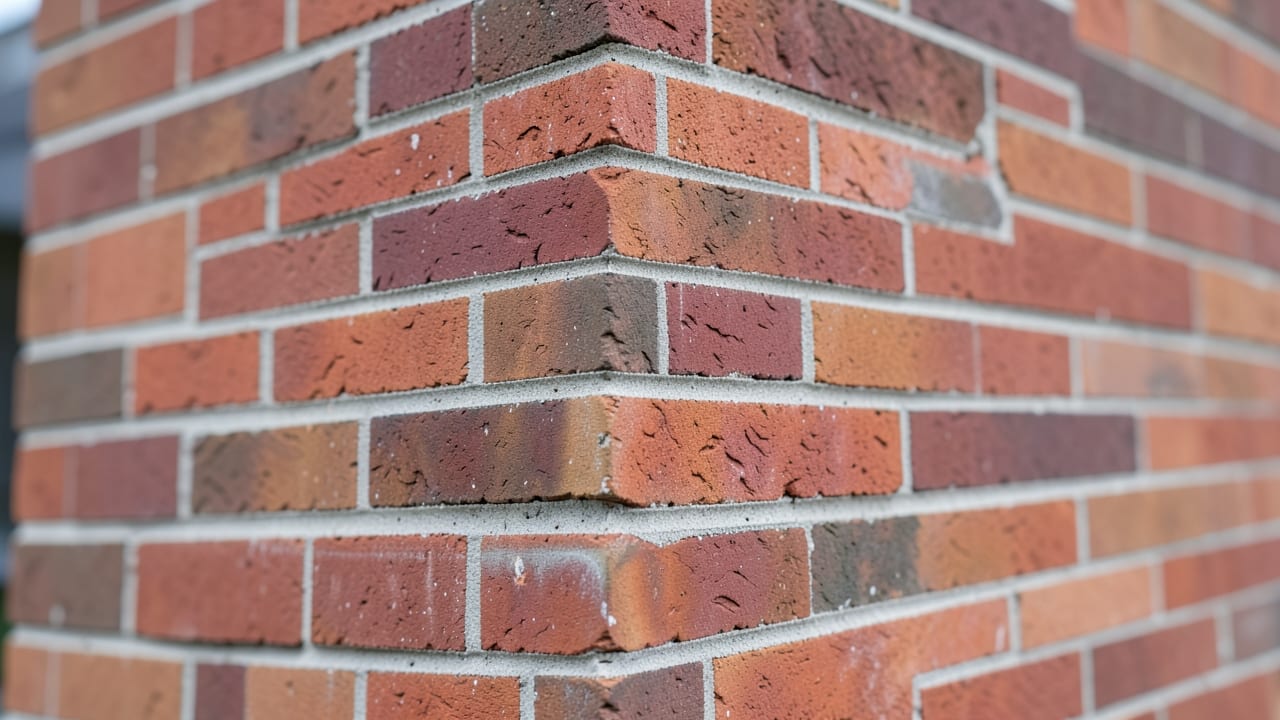
Brick Masonry Mold Treatment
Professional mold treatment and removal from brick masonry to restore structural integrity and indoor air quality.
Brick masonry mold treatment in Belleair Shores, FL, addresses mold growth on brick surfaces caused by moisture or poor ventilation. This service helps restore the appearance and structural integrity of brickwork by removing mold, containing spores, and preventing recurrence through targeted remediation and moisture control.
When to consider brick masonry mold treatment
Mold on brick surfaces often signals underlying moisture issues, which can worsen over time if ignored. In Belleair Shores, high humidity and coastal exposure increase the risk of mold growth on both exterior and interior brickwork.
We also handle Pet Urine Mold Treatment and Salt Air Mold Remediation for Belleair Shores properties.
If mold covers more than a small patch, recurs after cleaning, or spreads despite attempts to address it, professional treatment is typically needed.
Hidden mold—such as behind brick veneer or inside walls—often releases spores into the air, which can trigger allergies or respiratory issues. A musty smell, especially when HVAC systems are running, may indicate mold hidden in ductwork or structural cavities. Addressing these signs early helps prevent further damage and health concerns.
Signs Professional Mold Treatment May Be Needed
- Mold covers more than 25 contiguous square feet (a common threshold for professional intervention).
- Growth returns within weeks after cleaning, suggesting a moisture source wasn’t addressed.
- A musty odor persists even after visible mold is removed, often indicating hidden mold.
- Mold appears on multiple surfaces or spreads to unaffected areas over time.
- Health symptoms (sneezing, coughing, skin irritation) worsen when near the affected area.
What affects the cost and scope of treatment
The cost of brick masonry mold treatment varies based on the size of the affected area, the severity of the mold, and whether hidden moisture sources need addressing. In Belleair Shores, pricing typically reflects local labor rates, material costs, and the need for containment and clearance testing.
Confirming the exact scope upfront helps avoid unexpected charges later.
Black mold (often *Stachybotrys chartarum*) may require additional measures, such as specialized cleaning agents or extended drying times, which can influence pricing. A thorough inspection before treatment ensures all affected areas are identified and addressed, reducing the risk of recurrence.
Why containment and testing matter
During brick masonry mold treatment, containment prevents spores from spreading to unaffected areas of the home. Plastic sheeting and negative-air machines create a sealed workspace, while HEPA-filtered air scrubbers continuously capture airborne spores.
Without these precautions, spores can drift into living spaces, turning a contained job into a larger, more costly problem.
Clearance testing after remediation confirms that spore levels are back to normal ranges. An independent lab conducts this test to ensure the treatment was effective. Skipping this step leaves no objective proof that the mold has been fully addressed, increasing the risk of recurrence.
A breach in containment—such as torn plastic or improper airflow—allows spores to spread to clean areas, potentially requiring additional treatment. Non-HEPA filtration recirculates spores instead of capturing them, undermining the entire process. Without clearance testing, there’s no way to verify whether the mold has been fully removed.
How brick masonry mold treatment works
This process involves containment, removal, cleaning, drying, and verification to ensure mold is addressed safely and effectively.
- 1Containment Setup
Plastic sheeting and negative-air machines seal the work area to prevent spores from spreading. This step is critical for protecting unaffected parts of the home during removal.
- 2Mold Removal and Cleaning
Porous materials heavily contaminated with mold are removed and bagged, while non-porous surfaces like brick are scrubbed with antimicrobial agents. HEPA-filtered vacuums and air scrubbers capture spores during this phase.
- 3Structural Drying
Industrial dehumidifiers and air movers reduce moisture levels in framing and subfloors to prevent regrowth. Proper drying ensures mold does not return due to lingering dampness.
- 4Moisture Source Identification
The root cause—such as leaks, poor ventilation, or grading issues—is identified and addressed to prevent future mold growth. Fixing the source is essential for long-term results.
- 5Clearance Testing
An independent lab tests air or surface samples to confirm spore levels are within normal ranges before containment is removed. This step validates the effectiveness of the treatment.
Frequently asked questions
How do I know if my brick masonry mold issue requires professional treatment?
If mold covers more than a small area, keeps returning after cleaning, or is accompanied by a musty smell, professional treatment is likely needed. Hidden mold—such as behind brick or in ductwork—often requires specialized tools and containment measures that DIY methods cannot provide.
Will treating the mold fix the problem permanently?
Treatment removes existing mold, but recurrence depends on addressing the moisture source. Without fixing leaks, ventilation issues, or grading problems, mold can regrow within months. Post-treatment monitoring helps catch early signs of recurrence.
Do I need to leave the home during the treatment process?
You may need to relocate temporarily, especially if containment involves sealing off large areas. The crew will advise on safety precautions, such as avoiding the treated space until clearance testing confirms it is safe to re-enter.
How long does the entire process take from start to finish?
The timeline varies based on the scope, but containment, removal, drying, and testing can take several days to a week or more. Complex cases—such as hidden mold or extensive moisture damage—may require additional time for thorough drying and verification.
See Dunedin, FL for more, or discover our complete Belleair Shores service list side by side for our complete lineup.
Ready to get started?
Talk to a local mold remediation pro in Belleair Shores — get a written quote.
Other Mold Remediation Services in Belleair Shores
Pet Urine Mold Treatment in Belleair Shores, FL
Professional removal of mold caused by pet urine in homes, including assessment and treatment.
Learn More
Salt Air Mold Remediation in Belleair Shores, FL
Professional mold assessment, containment, removal, and prevention in affected areas of the home.
Learn More
Pest Infestation Mold Remediation in Belleair Shores, FL
Professional mold removal and remediation for pest-related infestations in homes.
Learn More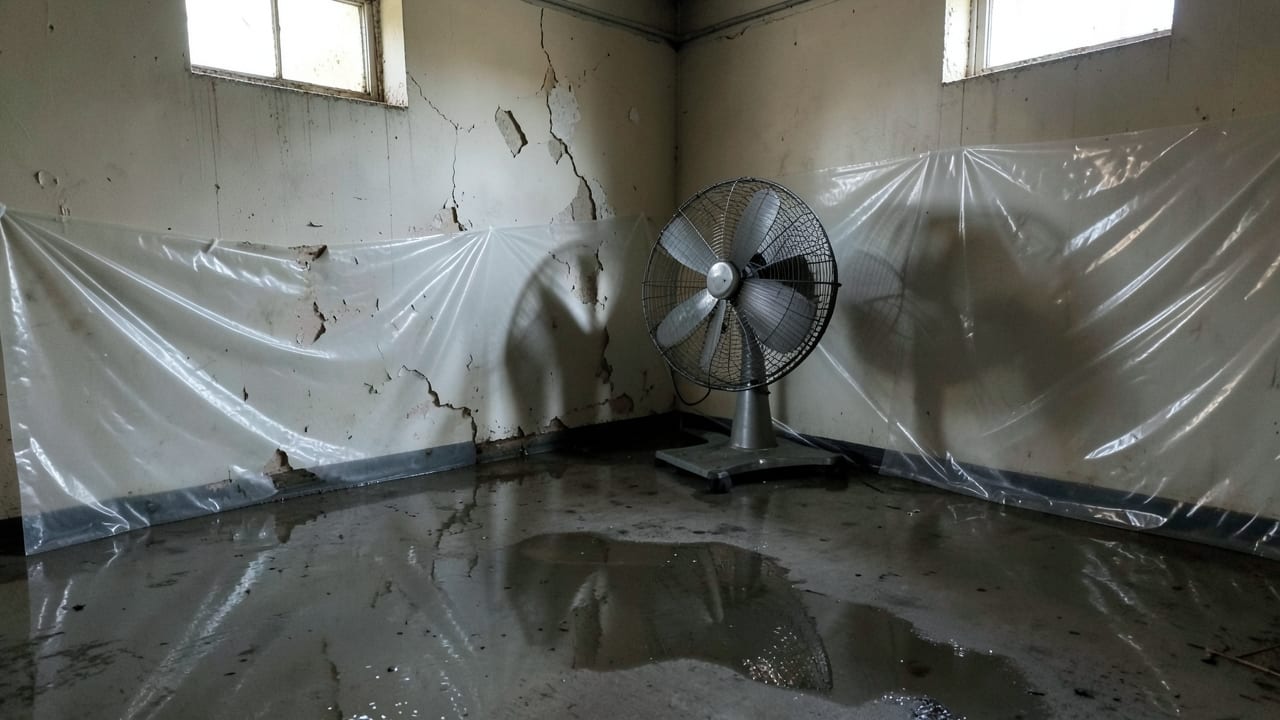
Storm Damage Mold Cleanup in Belleair Shores, FL
Professional cleanup and remediation of mold caused by storm-related water damage in homes.
Learn More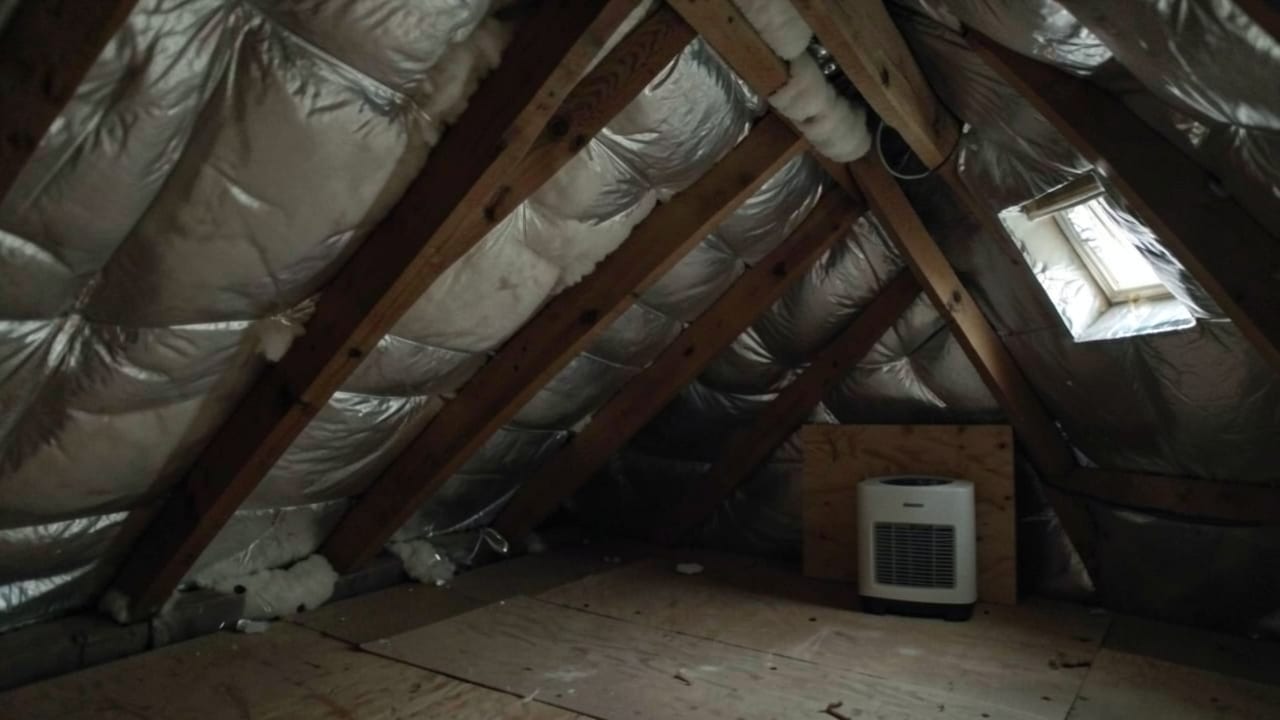
Pre-Winter Mold Prevention in Belleair Shores, FL
Pre-winter mold prevention involves inspection and treatment to stop mold growth before cold weather.
Learn More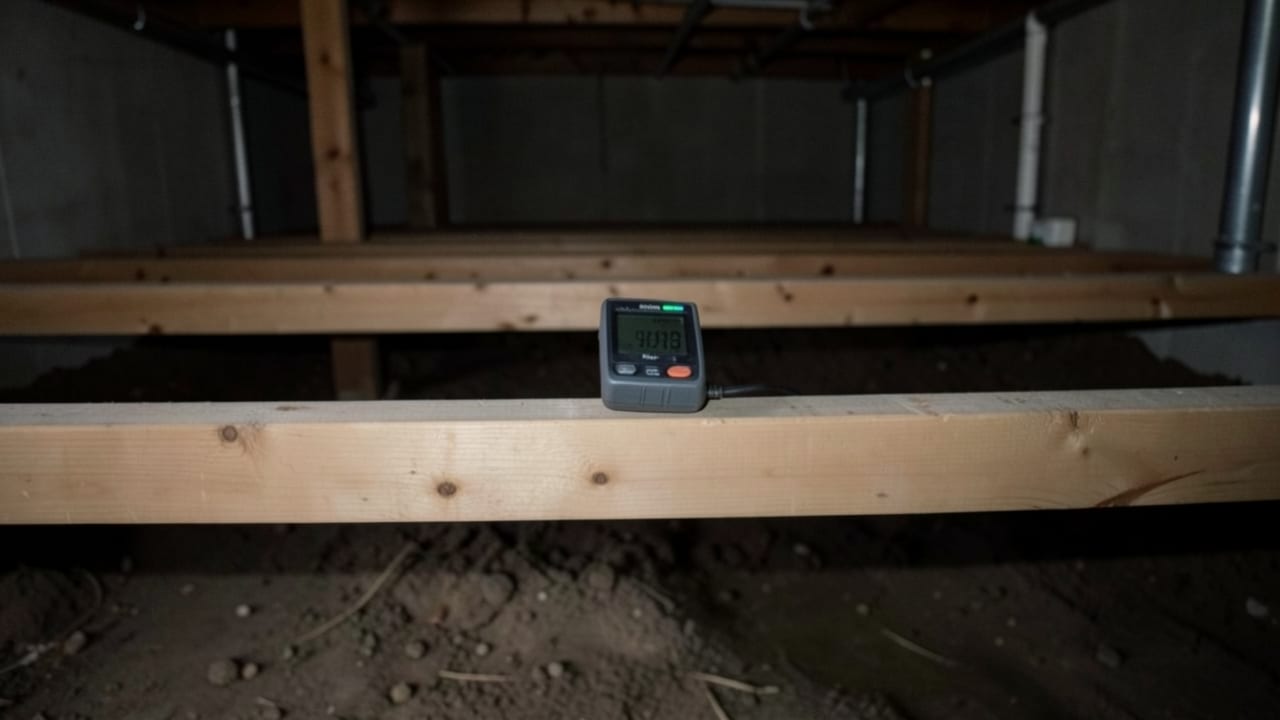
Spring Mold Inspection in Belleair Shores, FL
Professional assessment and identification of mold growth in homes.
Learn MoreCommon Questions About Mold Remediation in Belleair Shores
Everything you need to know about mold remediation services in Belleair Shores
How much does Brick Masonry Mold Treatment typically cost in Belleair Shores, FL?
Why does Belleair Shores, FL's humidity make mold a bigger risk than in drier regions?
Does mold mean the same thing as mildew?
Does homeowners insurance typically cover mold remediation?
Is black mold actually more dangerous than other mold types?
How long does a typical mold remediation job take?
Need Mold Remediation in Belleair Shores?
Connect with local providers in Belleair Shores for a detailed quote.
⏰ We answer your call • Serving all of Belleair Shores and surrounding areas