
Window Sill Mold Cleanup
Professional cleanup of mold growth on window sills to restore a healthy indoor environment.
Window sill mold in Belleair Shores, FL, thrives in the coastal humidity and frequent rain, turning wooden, vinyl, or composite sills into breeding grounds for spores. Professional cleanup involves containment, antimicrobial treatment, and drying to prevent regrowth, addressing both visible mold and hidden moisture sources that cause it.
Unlike surface wiping, proper remediation follows strict protocols to avoid spreading spores and ensure long-term results.
We also handle Mold Removal & Remediation and Water Damage Restoration for Belleair Shores properties.
When to call for professional cleanup
Window sill mold often starts as a small, isolated patch, but it quickly becomes a larger issue if moisture isn’t addressed.
In Belleair Shores, signs like mold covering more than a few square feet, recurring growth after cleaning, or a musty smell with no visible source suggest hidden moisture or hidden mold behind walls or under flooring.
These are clear indicators that the job is beyond DIY solutions and requires professional containment, removal, and drying.
Skipping professional remediation can turn a contained problem into a widespread one. For example, tearing open a plastic containment barrier or using non-HEPA equipment releases spores into the air, spreading contamination to unaffected areas.
Florida law also prohibits the same company from assessing and remediating the same property within a year, ensuring unbiased evaluation before treatment begins.
Signs Your Window Sill Mold Needs Professional Help
- Mold covers more than 25 contiguous square feet (Florida’s threshold for professional work).
- Growth returns within weeks after cleaning, signaling an unresolved moisture source.
- A musty smell persists even after visible mold is wiped away, hinting at hidden growth.
- The affected area is near HVAC vents, increasing the risk of spores spreading through ducts.
- You notice mold on multiple sills or surfaces, suggesting a systemic moisture problem.
What affects cost and scope in Belleair Shores
The cost of window sill mold cleanup varies based on the size of the affected area, the type of mold (e.g., black mold typically costs 15–25% more), and whether hidden moisture sources require additional work.
Surface-level mold on drywall or tile usually falls between $510 and $2,020 per room, but prices rise if walls or subflooring need to be opened to address hidden growth or leaks.
Containment, HEPA filtration, and clearance testing are critical steps that often appear as separate line items in quotes. A low upfront estimate might exclude these, leaving the job incomplete. Always confirm whether the quote includes inspection, testing, and post-remediation verification to avoid unexpected costs or recurring mold.
Why containment and testing matter
Containment is the first step in professional mold cleanup, sealing off the work area with plastic sheeting and negative-air machines to prevent spores from drifting into other parts of your home. Without this, even a small cleanup job can turn into a larger contamination issue.
HEPA air scrubbers and vacuums are used throughout the process to capture spores that would otherwise recirculate in the air.
After removal, industrial dehumidifiers and air movers dry the affected framing and subfloor to normal moisture levels—a critical step, since mold regrows on damp surfaces even after visible traces are gone.
Clearance testing by an independent lab confirms spore counts are back to normal before the area is considered finished. Skipping these steps leaves moisture sources untreated, leading to regrowth.
| Step | Purpose | Why It’s Critical |
|---|---|---|
| Containment | Seals the work area with plastic and negative air | Prevents spores from spreading to unaffected rooms |
| HEPA Filtration | Uses HEPA vacuums and air scrubbers | Captures spores instead of recirculating them |
| Structural Drying | Dries framing/subfloor with dehumidifiers | Eliminates hidden moisture that fuels regrowth |
| Clearance Testing | Independent lab verifies spore levels | Confirms the job is complete and safe |
How window sill mold cleanup works
Professional cleanup follows strict protocols to remove mold safely and prevent recurrence.
- 1Containment Setup
Plastic sheeting and negative-air machines seal the affected area, creating a contained zone to trap spores during removal. This prevents cross-contamination to other parts of your home.
- 2Removal and Treatment
Porous materials like drywall or insulation are cut out and bagged, while non-porous surfaces like tile or framing are scrubbed with antimicrobial solutions. HEPA vacuums and air scrubbers run continuously to capture airborne spores.
- 3Structural Drying
Industrial dehumidifiers and air movers dry the framing and subfloor to normal moisture levels, ensuring no hidden dampness remains to fuel regrowth.
- 4Clearance Testing
An independent lab tests air or surface samples to confirm spore counts are back to normal before containment is removed. This step verifies the cleanup is complete.
- 5Moisture Source Fix
The underlying cause—such as a leak, condensation, or poor grading—is addressed to prevent future mold. Without this, visible mold often returns within months.
Frequently asked questions
Can I clean window sill mold myself, or should I call a professional?
DIY cleaning works for very small, isolated patches, but mold covering more than 25 square feet or recurring after cleaning signals a need for professional containment, HEPA filtration, and moisture source identification. Florida law also requires separate assessment and remediation teams for unbiased work.
How do I know if my window sill mold is black mold, and does it change the process?
Black mold appears dark green or black and often has a slimy texture. While the cleanup process is similar, confirmed black mold cases typically cost 15–25% more due to stricter containment and disposal requirements. Lab testing can confirm the type if unsure.
Will the mold come back if the cleanup is done right?
Mold regrowth is most likely if the moisture source isn’t fixed. Professional remediation includes addressing leaks, condensation, or grading issues, but results depend on maintaining dry conditions post-treatment. Monitoring humidity in the area for the first year helps catch early recurrence.
How long does the entire cleanup process take from start to finish?
The timeline varies by job size and complexity, but containment, removal, drying, and testing typically take 1–3 days for a single window sill. Hidden moisture or structural damage can extend this. Clearance testing adds 1–2 days before the area is considered safe.
See Belleair, FL for more, or find out about our full crew's Belleair Shores services step by step for our complete lineup.
Ready to get started?
Talk to a local mold remediation pro in Belleair Shores — get a written quote.
Other Mold Remediation Services in Belleair Shores
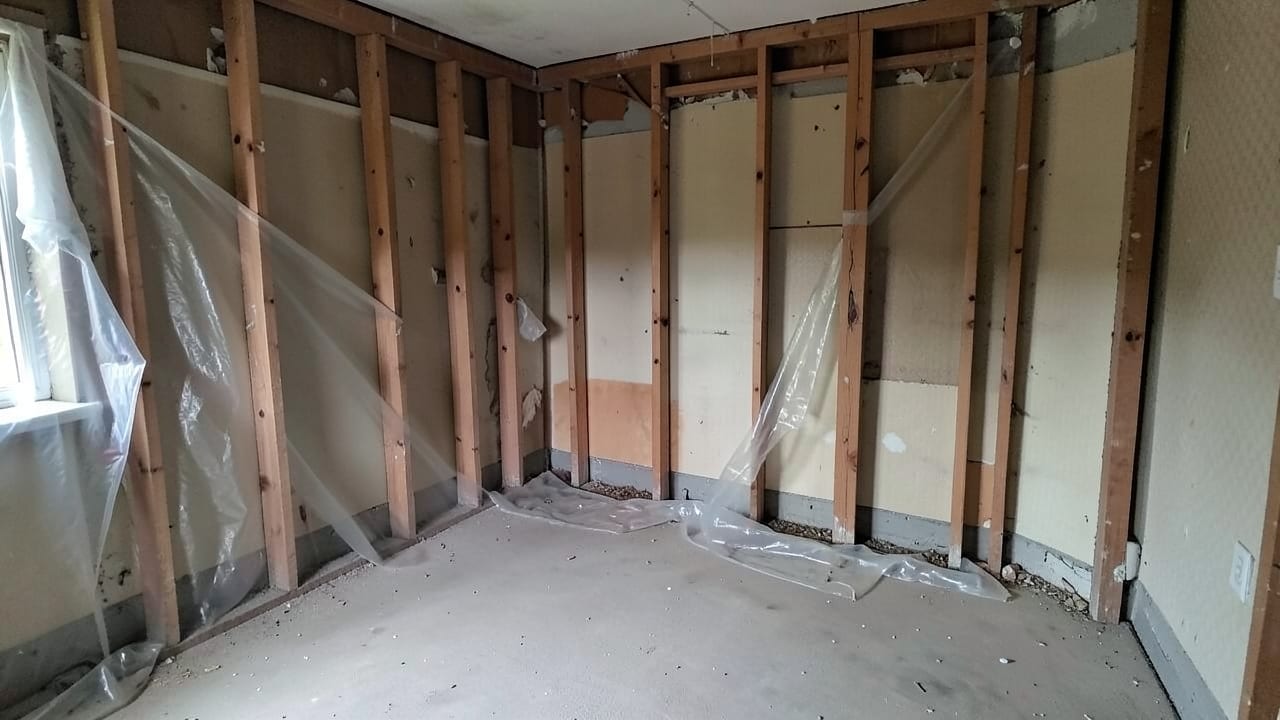
Mold Removal & Remediation in Belleair Shores, FL
Mold removal and remediation in Belleair Shores, FL — containment, HEPA filtration, and removal of affected material following industry (IICRC S520) protocol.
Learn More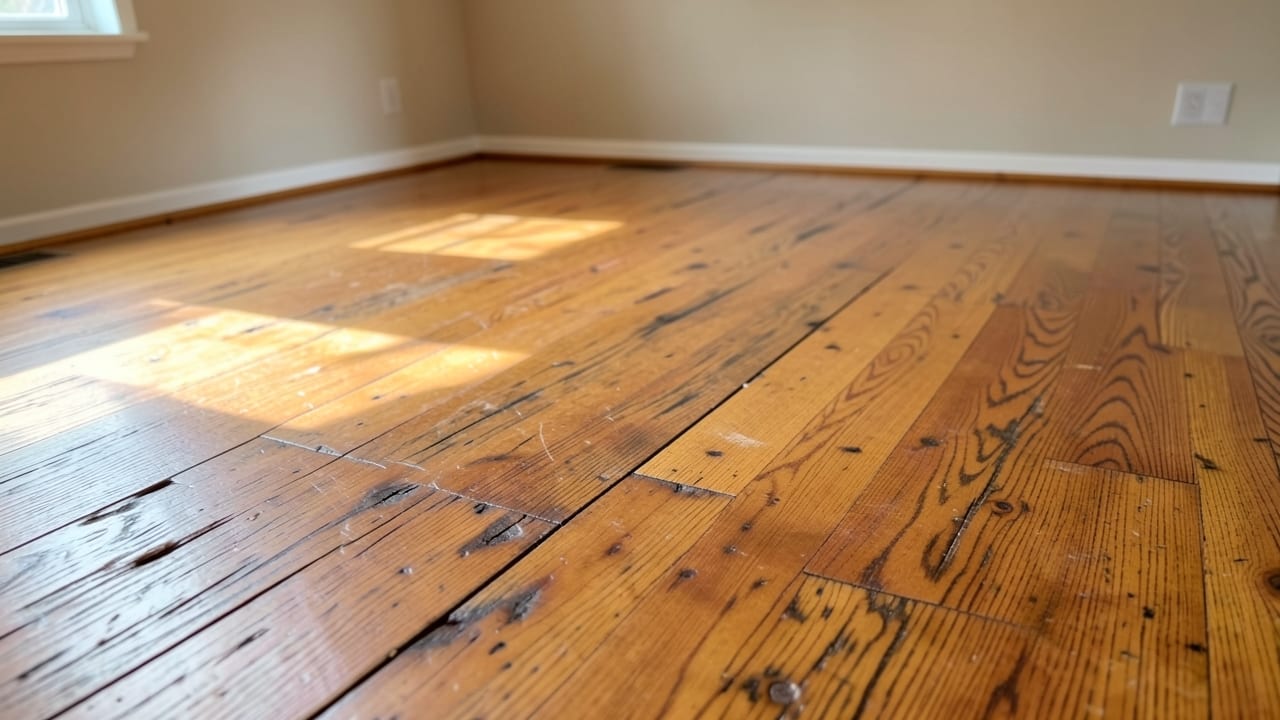
Water Damage Restoration in Belleair Shores, FL
Water damage restoration in Belleair Shores, FL — extraction and structural drying to stop mold growth before it starts, following a leak, storm, or flood.
Learn More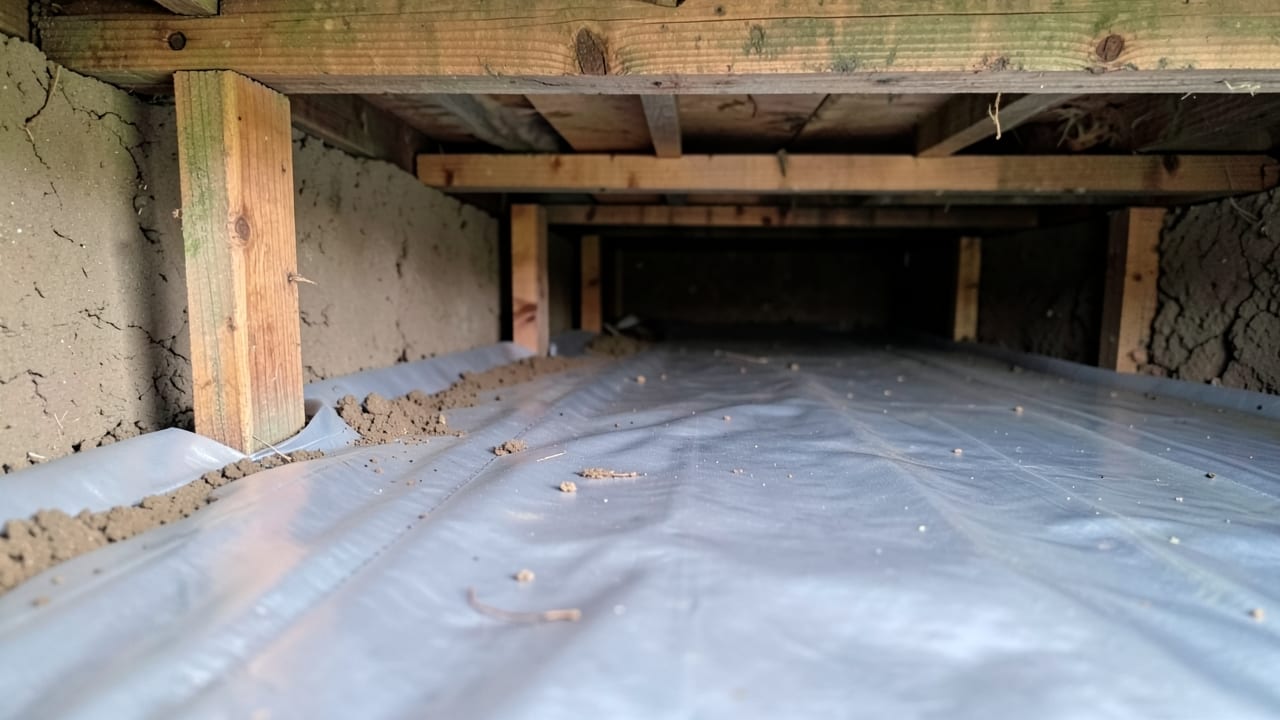
Crawl Space & Basement Mold Remediation in Belleair Shores, FL
Crawl space and basement mold remediation in Belleair Shores, FL addresses the two areas of a property most prone to trapped, unnoticed moisture.
Learn More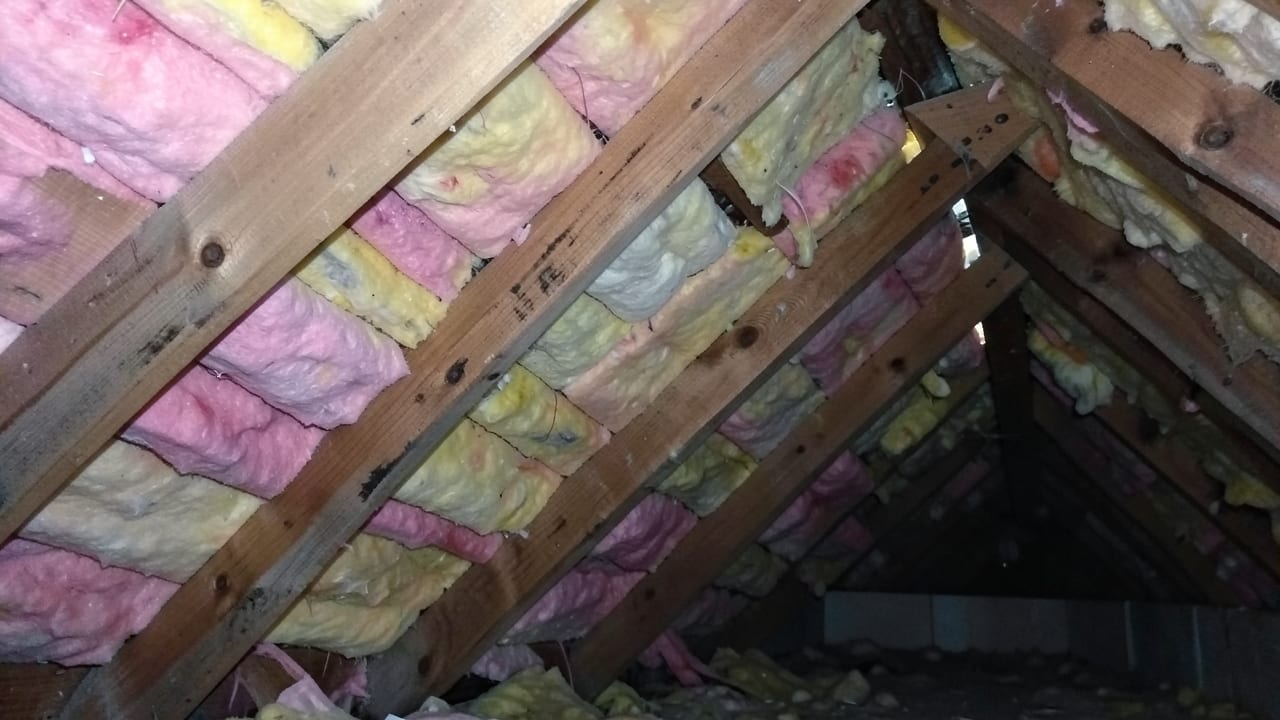
Attic Mold Remediation in Belleair Shores, FL
Attic mold remediation in Belleair Shores, FL addresses roof-deck growth typically caused by poor ventilation or a hidden roof leak.
Learn More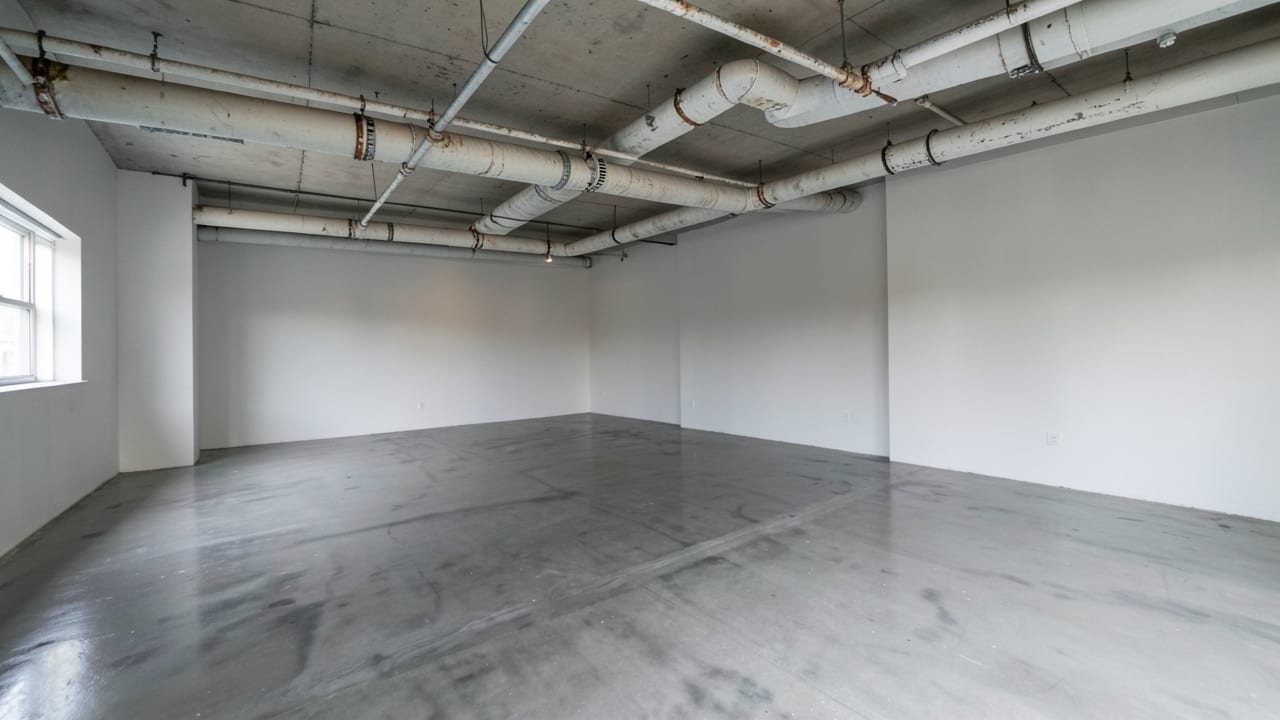
Commercial Mold Remediation in Belleair Shores, FL
Commercial mold inspection and remediation in Belleair Shores, FL for offices, retail space, and multi-unit properties, scheduled around business operations.
Learn More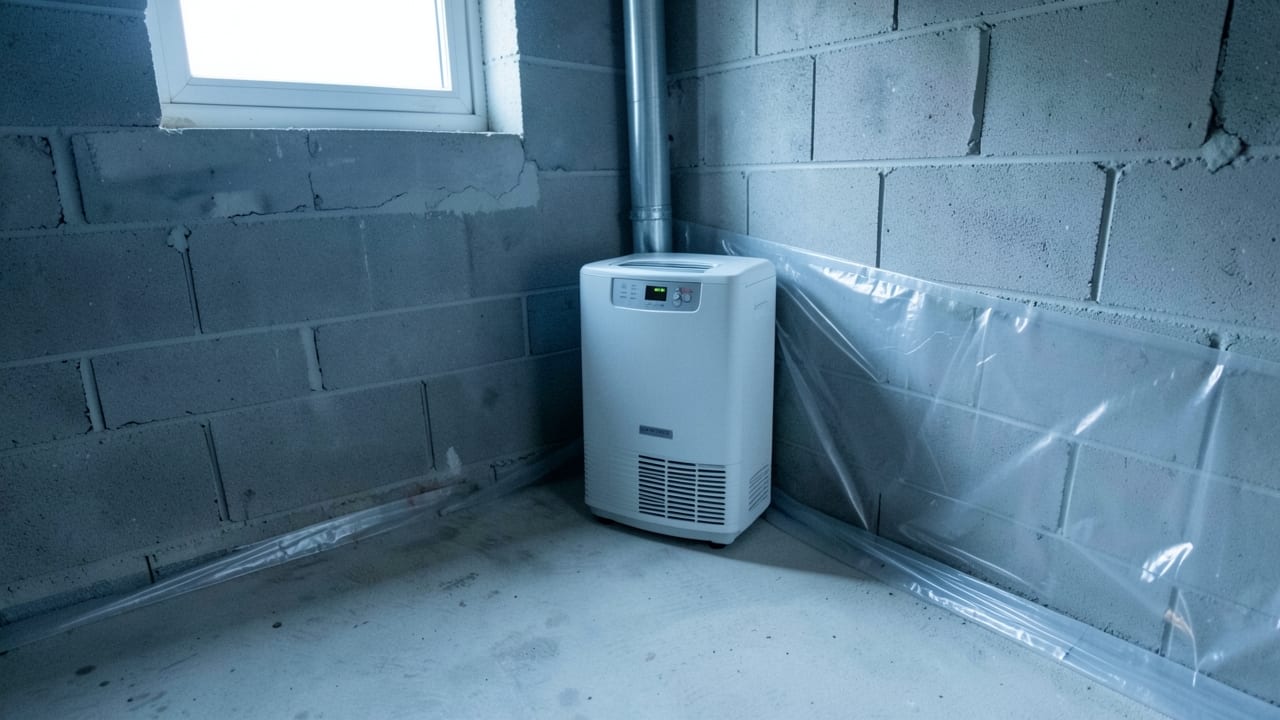
Mold Prevention & Moisture Control in Belleair Shores, FL
Mold prevention and moisture control in Belleair Shores, FL — addressing ventilation, humidity, and drainage before growth starts, not after.
Learn MoreCommon Questions About Mold Remediation in Belleair Shores
Everything you need to know about mold remediation services in Belleair Shores
How much does Window Sill Mold Cleanup typically cost in Belleair Shores, FL?
Why does Belleair Shores, FL's humidity make mold a bigger risk than in drier regions?
Is black mold actually more dangerous than other mold types?
How long does a typical mold remediation job take?
Is it safe to stay in the home during mold remediation?
Can small mold problems be handled without hiring anyone?
Need Mold Remediation in Belleair Shores?
Connect with local providers in Belleair Shores for a detailed quote.
⏰ We answer your call • Serving all of Belleair Shores and surrounding areas