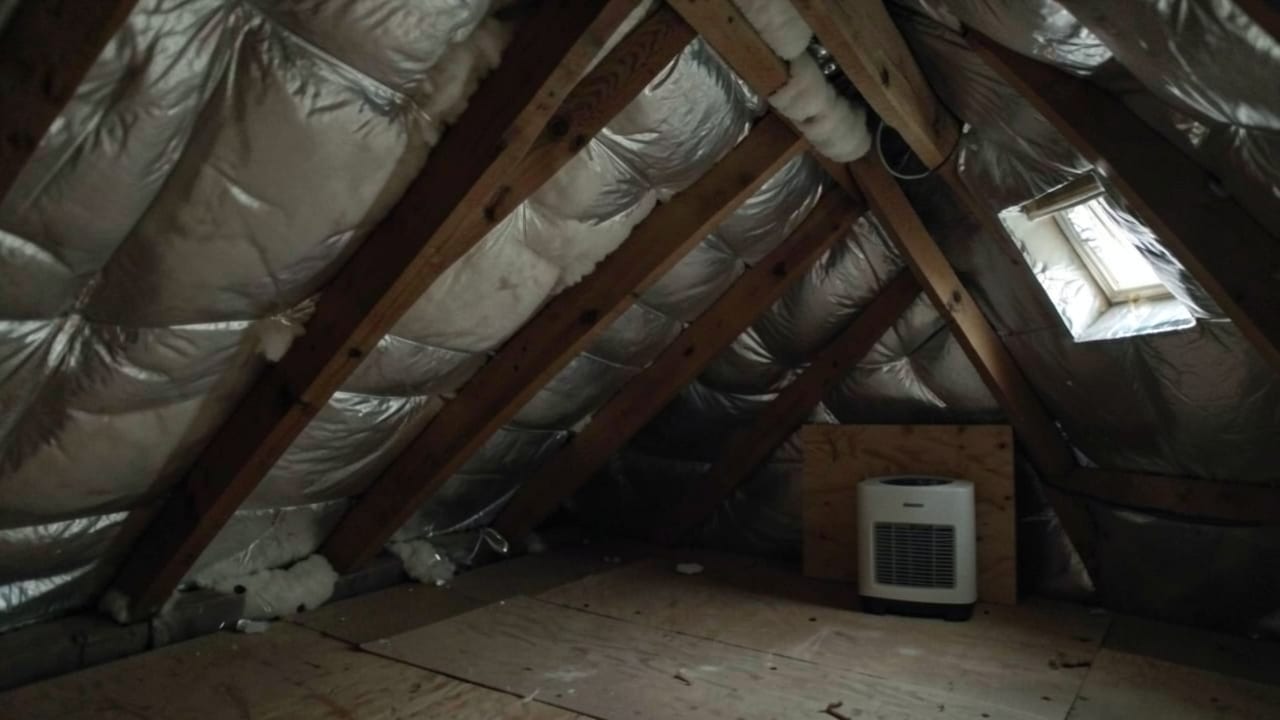
Pre-Winter Mold Prevention
Pre-winter mold prevention involves inspection and treatment to stop mold growth before cold weather.
As Belleair Shores’ temperatures drop and humidity lingers, pre-winter mold prevention focuses on sealing leaks, improving ventilation, and treating vulnerable areas like attics, basements, and crawl spaces before moisture leads to hidden growth.
This service targets early signs of mold—musty odors, recurring damp spots, or visible patches—to stop regrowth before winter sets in, using containment, HEPA filtration, and moisture control methods tailored to Florida’s climate.
We also handle Sunroom Mold Remediation and Closet Mold Cleanup for Belleair Shores properties.
When to act: signs mold prevention is needed
Mold prevention in Belleair Shores isn’t just about visible patches—it’s about addressing conditions that let mold take hold in the first place. Musty smells in windowless rooms, condensation on windows or pipes, or damp spots that keep returning after drying are clear warnings.
Even a small patch that reappears after cleaning often signals an unresolved moisture issue, like a leak behind walls or poor airflow.
Florida law treats mold covering more than 25 contiguous square feet as beyond typical DIY cleanup, but growth that keeps returning in the same spot—even if it’s smaller—means the moisture source wasn’t fixed.
Hidden growth, like mold inside walls or ductwork, often spreads silently until the HVAC system circulates spores throughout the home, making early prevention critical before winter traps humidity indoors.
Red Flags for Pre-Winter Mold Prevention
- Musty odor in a room with no visible mold (growth may be hidden behind walls, under flooring, or in ductwork).
- Damp spots or condensation that reappear after drying, especially in basements, bathrooms, or attics.
- Mold patches larger than a few square feet, or any growth that returns within weeks of cleaning.
- Poor airflow in enclosed spaces (closets, windowless bathrooms) or soil grading that funnels water toward the foundation.
- A smell that worsens when the HVAC system turns on, indicating spores may be circulating through ducts.
What affects pricing and scope?
Pricing for pre-winter mold prevention in Belleair Shores depends on the size of the affected area, the type of mold (black mold typically costs 15–25% more), and whether hidden moisture sources require structural repairs.
Containment, HEPA air scrubbing, and clearance testing are often billed separately, so a low upfront quote may exclude these critical steps. Always confirm whether the estimate includes inspection, remediation, and third-party testing—or if those are add-ons.
Timing matters too. Addressing mold before winter means fewer delays for drying and fewer disruptions from Florida’s rainy season. However, if walls or flooring need to be opened to locate hidden moisture, the scope—and cost—can expand unexpectedly. A written, itemized scope of work upfront helps avoid surprises once demolition begins.
Prevention vs. remediation: the critical difference
Removing visible mold without fixing the moisture source that caused it is like patching a leak without sealing the pipe—growth will return. Pre-winter prevention focuses on sealing leaks, improving airflow, and treating surfaces to resist mold before it starts.
For example, a small fan or dehumidifier in a persistently damp closet can prevent recurrence, while regrading soil or redirecting downspouts stops outdoor moisture from seeping into the foundation.
Florida’s licensing rules also separate mold assessment from remediation: the same company cannot perform both on the same property within a year. This ensures unbiased identification of the problem before any work begins, which is especially important for hidden issues like mold in ductwork or behind drywall.
Skipping containment or using non-HEPA equipment during removal can spread spores to unaffected areas, turning a small job into a larger one. Similarly, treating mold without addressing the moisture source (like a leak or poor ventilation) leads to regrowth within months. Always confirm the quote includes containment, HEPA filtration, and clearance testing to ensure the work is done correctly.
How pre-winter mold prevention works
This service follows a structured process to remove existing mold and prevent recurrence by addressing moisture sources.
- 1Containment Setup
Plastic sheeting and negative-air machines seal the work area to prevent spores from spreading during removal. Doors and vents are blocked, and HEPA air scrubbers run continuously to capture airborne spores before they migrate through the home.
- 2Material Removal or Cleaning
Porous materials like drywall or insulation that absorb mold are cut out and bagged inside containment. Non-porous surfaces (framing, tile) are scrubbed and treated with antimicrobial solutions to kill remaining spores.
- 3Structural Drying
Industrial dehumidifiers and air movers dry framing and subfloors to normal moisture levels before the area is closed up. This step is critical—mold regrows on damp materials even after visible traces are removed.
- 4Clearance Testing
An independent lab tests air or surfaces after remediation to confirm spore counts are back to normal levels. This step ensures the work is complete before containment is removed.
- 5Moisture Source Fixes
Sealing leaks, improving ventilation, or adjusting grading to redirect water away from the foundation prevents future growth. Small fans or dehumidifiers may be recommended for persistently damp areas.
Frequently asked questions
How do I know if my mold issue is small enough to handle myself or if I need a professional?
Florida law treats mold covering more than 25 square feet as requiring a licensed contractor, but recurring growth—even in smaller patches—often means the moisture source wasn’t fixed. If you’ve cleaned the same spot multiple times without success, or if you suspect hidden mold (like behind walls or in ducts), professional prevention is the safer choice.
Will pre-winter prevention stop mold from coming back after the work is done?
Prevention reduces the risk of recurrence by fixing moisture issues and treating surfaces, but regrowth can still happen if conditions change (like a new leak or poor ventilation). Checking humidity levels in the treated area periodically during the first year helps catch early signs of moisture problems before they lead to mold.
Do I need to be home during the mold prevention process?
You typically don’t need to be present, but the crew will provide instructions on how to minimize disruption (like keeping pets and children out of the work area). Containment keeps spores from spreading, so normal household activities in other parts of the home are usually safe.
How long does it take to complete pre-winter mold prevention?
The timeline varies by the size of the affected area and whether hidden moisture sources require repairs. Containment and drying can take 2–5 days, while structural fixes (like regrading or sealing leaks) may add extra time. The crew will provide a clear schedule before starting.
See North Redington Beach, FL for more, or check out everything on offer in Belleair Shores by neighborhood for our complete lineup.
Ready to get started?
Talk to a local mold remediation pro in Belleair Shores — get a written quote.
Other Mold Remediation Services in Belleair Shores
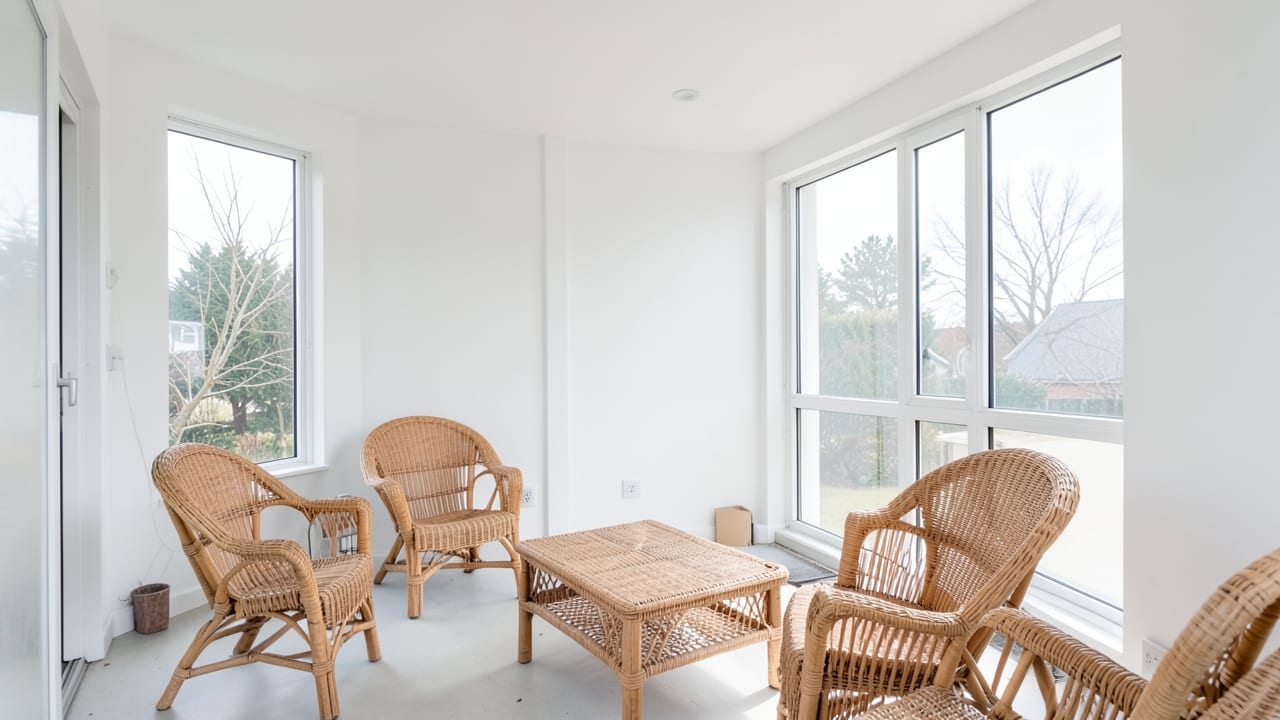
Sunroom Mold Remediation in Belleair Shores, FL
Professional removal and treatment of mold in sunrooms to restore a safe, clean space.
Learn More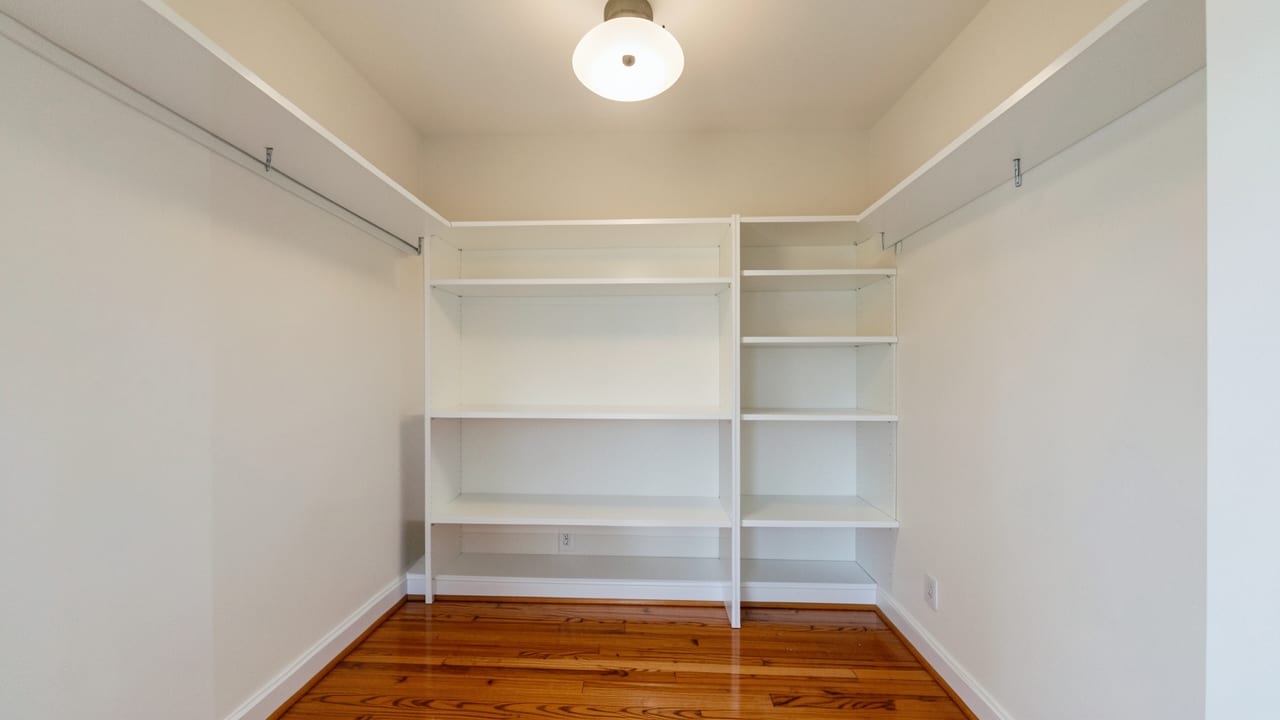
Closet Mold Cleanup in Belleair Shores, FL
Professional cleanup and removal of mold from closets to restore safe, healthy spaces.
Learn More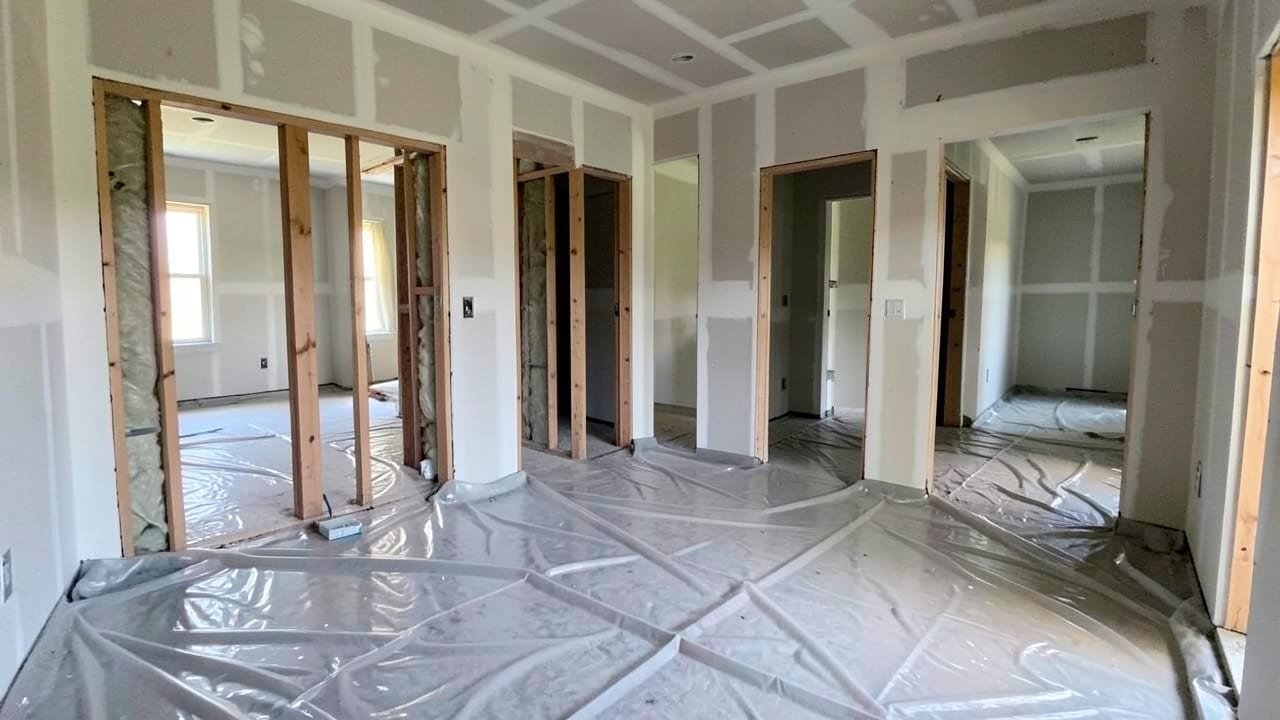
New Construction Mold Remediation in Belleair Shores, FL
Professional mold removal and prevention in newly built homes to ensure safe, clean living spaces.
Learn More
Hotel Mold Remediation in Belleair Shores, FL
Professional removal and treatment of mold growth in hotel properties to restore safe, clean environments.
Learn More
Gym Mold Remediation in Belleair Shores, FL
Professional removal and treatment of mold in gyms to restore safe, clean environments.
Learn More
Fire Smoke Mold Remediation in Belleair Shores, FL
Professional cleanup and restoration of fire, smoke, and mold damage in homes.
Learn MoreCommon Questions About Mold Remediation in Belleair Shores
Everything you need to know about mold remediation services in Belleair Shores
How much does Pre-Winter Mold Prevention typically cost in Belleair Shores, FL?
Why does Belleair Shores, FL's humidity make mold a bigger risk than in drier regions?
What's the actual difference between mold removal and mold remediation?
Is a final clearance test part of a typical mold remediation job?
How does mold remediation actually prevent the problem from coming back?
Can mold growing inside HVAC ductwork spread to the rest of a home?
Need Mold Remediation in Belleair Shores?
Connect with local providers in Belleair Shores for a detailed quote.
⏰ We answer your call • Serving all of Belleair Shores and surrounding areas